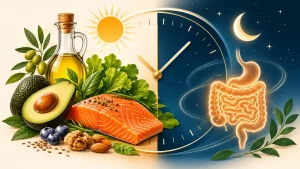
Key Takeaways:
- Generic advice to “eat more fiber” only captures part of what shapes a resilient gut ecosystem; polyphenols and resistant starches act as selective fuel for beneficial microbes like Akkermansia muciniphila and butyrate-producing bacteria.
- Butyrate serves as a primary energy source for colon cells, helps reinforce intestinal tight junctions, and supports balanced inflammatory signaling, while Akkermansia plays a key role in mucus-layer turnover and metabolic health.
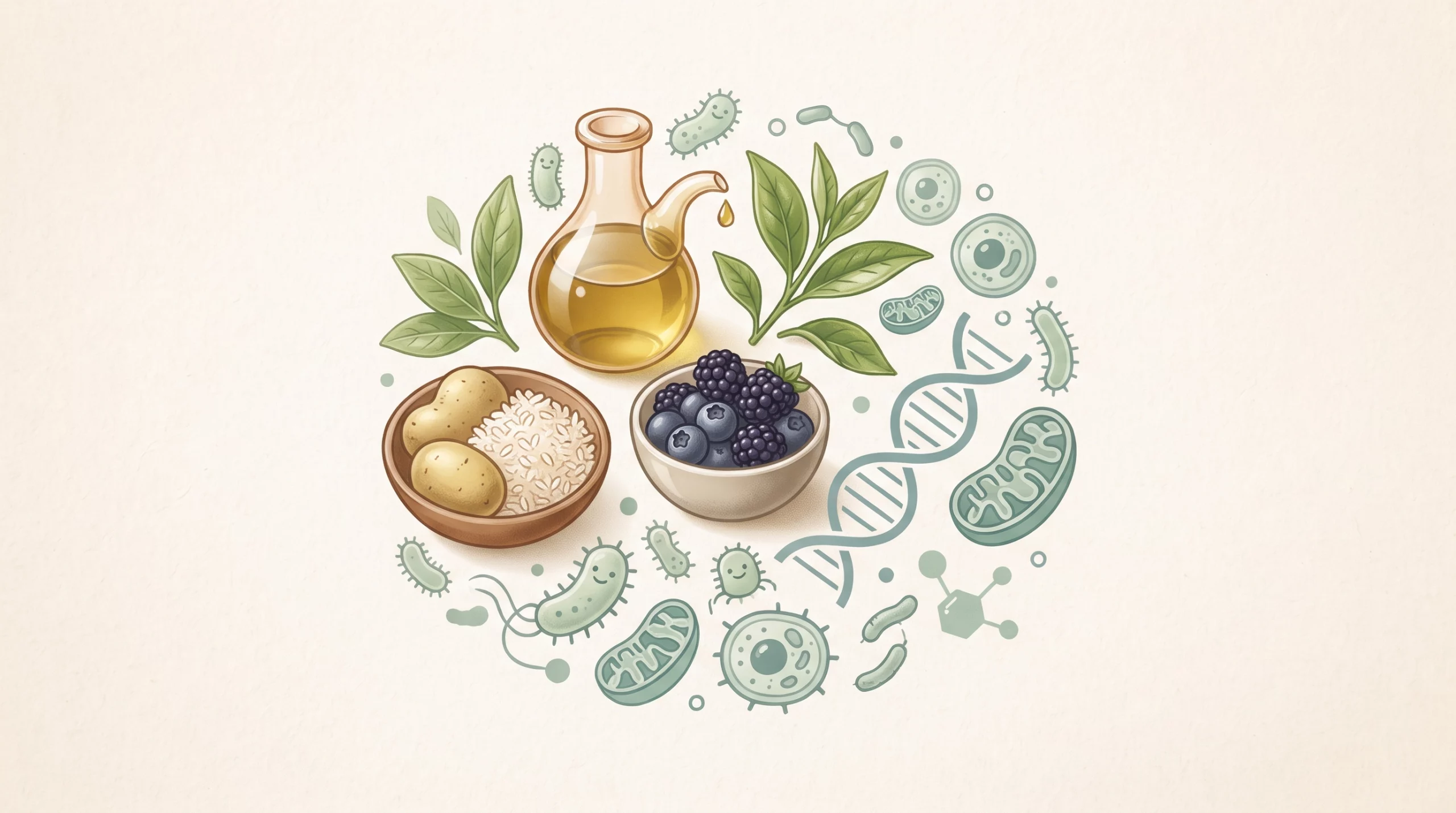
- Pairing polyphenol-rich staples—such as extra virgin olive oil, dark berries, and green tea—with cooled resistant starches gives your gut microbes complementary substrates that work together across the digestive tract.
Tell someone you want to improve your gut health, and the conversation almost always stops at two words: eat more fiber. Fiber matters, and most people still fall short of daily intake goals. Yet treating “fiber” as a single, one-dimensional nutrient leaves out a major part of how the human digestive ecosystem actually operates.
Your lower gastrointestinal tract is home to trillions of microorganisms that do not all eat the same foods or produce the same downstream effects. Alongside traditional fermentable fibers, polyphenols—bioactive compounds naturally concentrated in plant foods such as extra virgin olive oil, dark berries, green tea, cocoa, and culinary herbs—and resistant starches help shape which microbes thrive, how metabolites are formed, and how well your intestinal lining holds up day after day.
Understanding how these compounds interact with key bacterial groups turns everyday meal planning into a much more targeted tool for digestive comfort, metabolic resilience, and long-term wellness.
Why Butyrate and Akkermansia Draw So Much Attention
Not every microbe in the gut plays the same role. Some ferment carbohydrates into gases that cause temporary bloating, while others produce signaling molecules that directly support host cells and barrier function. Two groups stand out in microbiome research for what happens right along the intestinal wall:
- Butyrate-Producing Bacteria: Certain anaerobic bacteria in the colon ferment undigested carbohydrates, fibers, and resistant starches into short-chain fatty acids, chief among them butyrate. Colonocytes—the cells lining your colon—rely on butyrate as a primary fuel source. Adequate butyrate helps maintain tight junctions between intestinal cells, supports healthy gut motility, and helps keep local and systemic inflammatory pathways in check.
- Akkermansia muciniphila: Rather than living purely in the middle of the intestinal lumen, Akkermansia muciniphila resides within the mucus layer that coats the gut lining. By participating in healthy mucus turnover and stimulating mucin production, it helps preserve the physical buffer separating luminal bacteria and their byproducts from immune cells just beneath the surface. Higher relative abundance of Akkermansia is frequently observed in individuals with healthier metabolic profiles.
Polyphenols do not simply pass through this environment passively. Much of the dietary polyphenol intake you consume is not absorbed efficiently in the upper small intestine; instead, it travels down to the colon where gut microbes metabolize large, complex polyphenol structures into smaller, bioactive compounds. At the same time, polyphenols can encourage beneficial bacterial groups while limiting the growth of certain less desirable microbes—a two-way relationship that helps explain why polyphenol-rich diets often align with healthier microbiome profiles.
Everyday Foods That Support These Pathways
You do not need expensive, heavily processed gut powders or complicated supplement stacks to support butyrate producers and Akkermansia. Familiar whole foods bring distinct strengths to your plate:
- Extra Virgin Olive Oil: Quality extra virgin olive oil combines monounsaturated fats with a spectrum of phenolic compounds, including oleocanthal and hydroxytyrosol. Research linking olive oil intake to favorable shifts in gut microbial balance and lower markers of oxidative stress highlights why treating it as a daily culinary staple—rather than an occasional drizzle—is so practical.
- Dark Berries and Green Tea: Blueberries, blackberries, raspberries, and unsweetened green tea deliver concentrated polyphenols such as anthocyanins and catechins. Because portions of these compounds reach the lower gut, they offer a straightforward way to feed microbial biotransformation without adding heavy calories.
- Cooled Resistant Starches: Unlike ordinary digestible starch that breaks down quickly into glucose in the small intestine, resistant starch resists enzymatic digestion there and reaches the colon intact. Cooking starchy foods—such as potatoes, white or brown rice, oats, or legumes—and then cooling them promotes starch retrogradation, increasing the fraction that acts like fermentable fuel for butyrate-producing bacteria.
How the Pieces Fit Together on a Real Plate
Thinking about polyphenols and resistant starch in isolation can make nutrition feel overly clinical. In real life, meals combine textures, fats, and fermentable substrates that work together over several hours.
For example, a meal built around cooled rice or potatoes tossed with extra virgin olive oil, herbs, and leafy greens—followed later in the day by plain yogurt with dark berries or a cup of green tea—provides both fermentable carbohydrate substrates for short-chain fatty acid production and polyphenolic compounds that interact with the microbial community. You do not need every single food at every single meal; consistency across the week matters far more than perfection at breakfast.
Individual Differences and Tolerance
Even wholesome, microbiome-friendly foods can cause temporary pushback if you introduce them abruptly or ignore your personal baseline:
- Starting From a Low-Fiber or Ultra-Processed Baseline: If your usual diet is low in plant diversity and fermentable carbohydrates, jumping straight into large servings of beans, cooled starches, and concentrated polyphenols can temporarily increase gas, fullness, or shifts in stool consistency as microbial populations adapt.
- Sensitive Digestion and IBS: People managing irritable bowel syndrome or visceral hypersensitivity sometimes react noticeably to rapid increases in fermentable carbohydrates or large doses of specific tannins and polyols. Gradual titration—and paying attention to portion size and preparation—usually makes a noticeable difference.
- Ingredient Quality and Cooking Methods: Polyphenol content varies widely across olive oils, teas, and produce depending on harvest, storage, and processing. Similarly, cooling cooked starches in the refrigerator increases resistant starch content, and gentle reheating generally preserves much of that retrograded structure compared to scorching-hot, over-processed preparations.
Practical Ways to Build This Into Your Routine
If you want to support butyrate production, Akkermansia, and overall gut resilience without overhauling your entire lifestyle at once, start with steady, repeatable habits:
- Make Extra Virgin Olive Oil Your Go-To Fat: Use extra virgin olive oil regularly for dressings, finishing roasted or steamed vegetables, and everyday cooking within sensible heat limits.
- Add a Daily Polyphenol Anchor: Keep frozen or fresh dark berries on hand for breakfasts or snacks, and incorporate brewed green tea into your morning or afternoon routine.
- Use the Cook-and-Cool Trick With Starches: Batch-cook rice, potatoes, or oats and chill them in the fridge so you have ready-to-use resistant starch on hand for quick meals throughout the week.
- Increase Amounts Gradually: Introduce one change at a time over a few weeks rather than changing everything overnight, giving your gut comfort, digestion, and energy time to adjust smoothly.