

Introduction
Are you ready to transform your mealtime with a burst of vibrant flavors? This Kale and Mushroom Bibimbap offers a creative twist on a classic Korean dish, combining fresh kale, earthy mushrooms, and savory seasonings in an irresistible bowl. If you’re craving a healthy bibimbap recipe that balances nutrition with taste, this quick bibimbap recipe is your answer. Enjoy a meal that’s as visually enticing as it is delicious.
Ingredients List
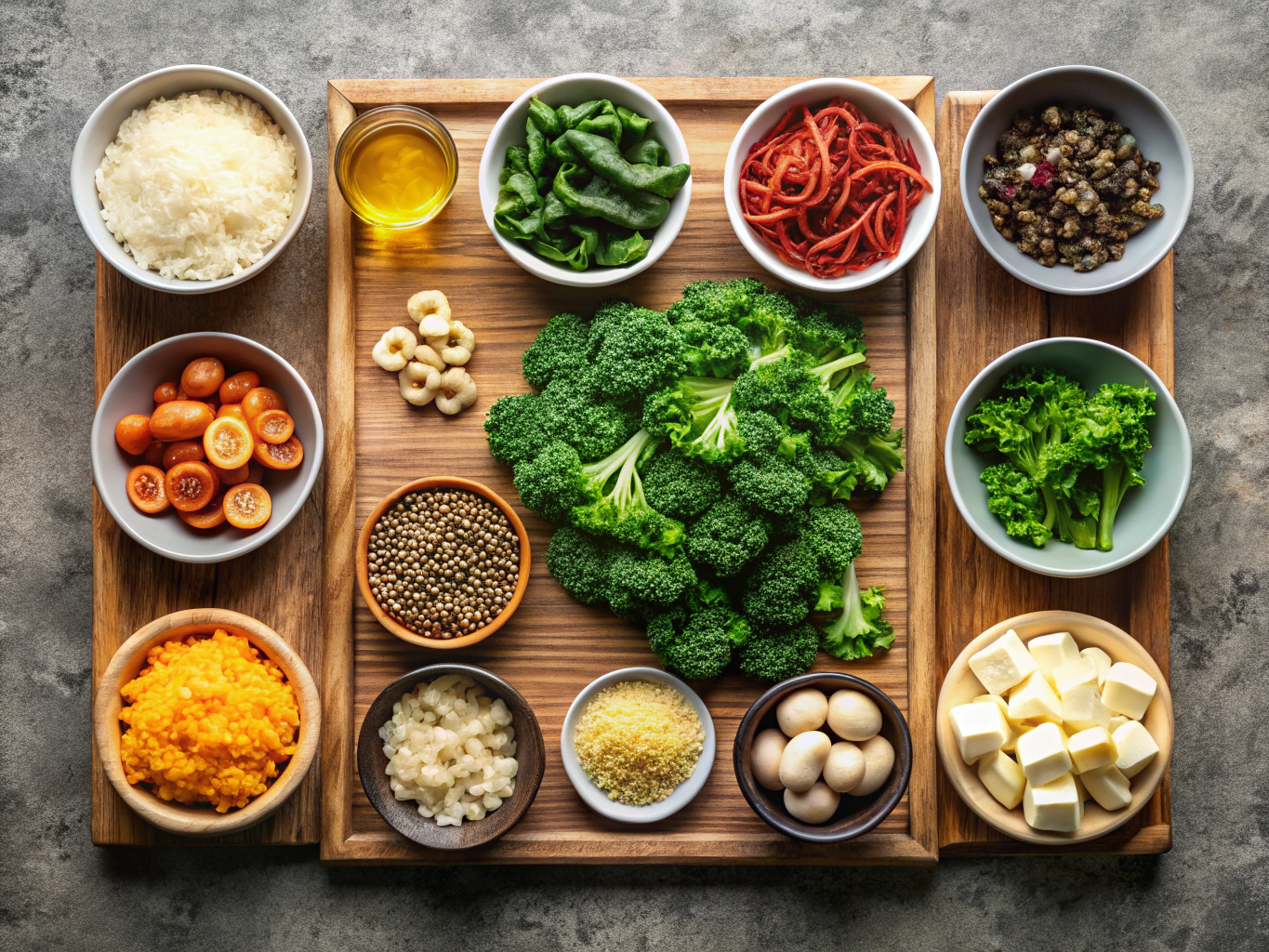
Below is the ingredient list for Kale and Mushroom Bibimbap. The blend includes vibrant, crunchy kale leaves; tender, juicy mushrooms; and golden roasted garlic that fills the air with its rich aroma. A squeeze of lemon, a dash of freshly cracked black pepper, and a pinch of sea salt bring depth. You can also swap or add tofu for a vegan bibimbap dish twist.
- Fresh kale leaves, roughly chopped for a crisp texture
- Sliced shiitake or cremini mushrooms with an earthy aroma
- Golden roasted garlic for an intense flavor burst
- Julienned carrots to add vibrant color
- Steamed brown rice serving as a hearty base
- A drizzle of sesame oil for a nutty finish
- Chopped scallions and sesame seeds for garnish
- Lemon wedges to brighten the dish
- Optional: Cubed tofu or tempeh to enhance protein
Embrace this healthy bibimbap recipe that’s both an easy bibimbap bowl and a nutritious Korean meal, ensuring every bite bursts with freshness and flavor.
Timing
Preparation Time: Approximately 20 minutes for washing, chopping, and marinating the ingredients for a perfect texture and aroma.
Cooking Time: Spend 15 minutes sautéing the mushrooms and lightly steaming the kale, with 5 minutes to assemble and finish each layer to ensure a warm, satisfying bite.
Total Time: About 40 minutes overall, making it one of the most efficient and quick bibimbap recipes for those busy weekdays without sacrificing quality and flavor.
How to Make It (Step-by-Step)
Step 1
Begin by thoroughly washing and drying the kale leaves. Tear them into bite-sized pieces while appreciating their deep, forest-green hue. In a large bowl, drizzle the kale with a bit of sesame oil and lemon juice, and sprinkle freshly cracked black pepper. Let the leaves marinate for about 5 minutes to soften their texture while preserving the crunch. Pro tip: massage the kale gently to release natural flavors that enhance your simple kale bibimbap.
Step 2
Next, slice the mushrooms evenly to ensure they cook uniformly. Heat a non-stick pan over medium heat and add a splash of oil. Sauté the mushrooms until they turn a rich, golden-brown hue and release their earthy aroma. Stir continuously to prevent sticking. This step transforms them into tender morsels perfect for a nutritious Korean meal, making your quick bibimbap recipe both hearty and enticing.
Step 3
Prepare your rice base by steaming brown rice until each grain is tender yet slightly chewy. As the steam rises, notice the delicate fragrance enhancing the room. Fluff the rice with a fork to separate individual grains. Warm rice forms the backbone of this easy bibimbap bowl, delivering a wholesome, fiber-rich foundation that supports the vibrant flavors of kale and mushroom bibimbap perfectly.
Step 4
While the rice is still warm, gently toss it with a few drops of sesame oil and a sprinkle of salt to heighten its natural taste. Arrange the rice at the base of your serving bowl, ensuring an even layer for subsequent toppings. This careful layering technique is essential in a healthy bibimbap recipe, lending uniformity and balance to your dish. Pro tip: let the rice sit covered for a couple of minutes to maintain warmth and moisture.
Step 5
Now, incorporate the sautéed mushrooms and marinated kale onto the rice bed. Layer the mushrooms first to create a rich, umami foundation, followed by the kale for a refreshing crunch. Drizzle additional sesame oil lightly over the vegetables and sprinkle sesame seeds for an extra nutty aroma. Each addition should be deliberate, ensuring the kale and mushroom bibimbap is beautifully coordinated and aesthetically appealing.
Step 6
Add a burst of color by including julienned carrots and finely chopped scallions atop the layered ingredients. These details enhance both the nutritional profile and the visual appeal of your dish. The crisp carrots offer a subtle sweetness while the scallions add a mild zest, perfectly complementing the savory elements in the healthy bibimbap recipe. Pro tip: arrange garnishes in small mounds for a pop of gourmet elegance.
Step 7
Finally, finish your meal with a squeeze of fresh lemon juice over the assembled bowl. The citrus tang brightens the entire dish while balancing the savory and earthy flavors. Check for seasoning and add extra salt and pepper as needed. Serve the vibrant bowl immediately to enjoy the contrast of warm rice with cool, marinated vegetables, ensuring that your kale and mushroom bibimbap remains a delightful and refreshing vegan bibimbap dish.
Nutritional Information
- Calories: Approximately 350–400 per serving, ideal for a satisfying yet light meal.
- Protein: Key protein sources include tofu or tempeh if added, along with natural proteins from vegetables.
- Carbohydrates: Brown rice and vegetables provide slow-releasing carbohydrates, fueling your energy.
- Fat: Healthy fats are found in sesame oil and optional avocado or nut toppings.
- Fiber: High fiber content from kale, mushrooms, and brown rice aids in digestion.
This kale and mushroom bibimbap offers a nutritionally balanced meal, making it a perfect healthy bibimbap recipe for anyone seeking a nutritious Korean meal that supports a balanced diet and overall well-being.
Why This Recipe Is a Healthy Choice?
The Kale and Mushroom Bibimbap is a healthful fusion of fiber-rich kale, protein-packed mushrooms, and wholesome brown rice, delivering a robust combination of essential nutrients. It’s designed to complement a balanced lifestyle with lean proteins, slow-release carbohydrates, and beneficial fats. The dish is low in processed ingredients, aligning perfectly with modern trends in mindful eating while providing a simple kale bibimbap that doesn’t compromise on flavor.
Serving Suggestions
Enjoy this vibrant dish at a casual family dinner or dress it up for an elegant gathering. Garnish with additional sesame seeds and a drizzle of sriracha for a kick. Pair your bowl with a light cucumber salad or a side of miso soup. The kale and mushroom bibimbap is versatile enough to be enjoyed as a standalone meal or accompanied by a refreshing iced tea, enhancing every bite of this quick bibimbap recipe.
Common Mistakes to Avoid
- Overcooking vegetables, which can make them mushy and less appealing.
- Under-seasoning the components, leading to a bland taste.
- Skipping the proper resting or marinating time that allows the flavors to blend harmoniously.
Storing Tips for the Recipe
For leftovers, allow the kale and mushroom bibimbap to cool to room temperature before transferring to airtight containers. Store in the fridge for up to 3–4 days. If you need to preserve it longer, freeze in portions for 2–3 months. When reheating, add a splash of water and warm it gently on the stovetop to retain moisture and texture, ensuring the dish remains as delightful and nutritious as when freshly made.
Conclusion
This Kale and Mushroom Bibimbap is a testament to how simple ingredients can create a complex and satisfying meal. With its harmonious blend of textures and enticing aroma, it serves as a delicious reminder that healthy dining can be creative and delicious. Embrace this healthy bibimbap recipe in your culinary repertoire, and don’t hesitate to share your results and tweaks with friends and family for endless gastronomic inspiration.
FAQs
Can I replace one of the ingredients?
Yes, you can easily substitute tofu for a plant-based protein boost or use different mushrooms like button or portobello to vary the flavor. Experiment with additional vegetables such as spinach or bell peppers to personalize your vegan bibimbap dish while ensuring the overall balance of sweet, savory, and tangy elements remains intact.
How long can I store this?
You can store the prepared kale and mushroom bibimbap in the refrigerator for 3–4 days in airtight containers. For longer storage, freeze individual portions for 2–3 months. When ready to enjoy, thaw overnight in the fridge and gently reheat on the stovetop or in the microwave while stirring to maintain the original texture.
Can I prep it ahead of time?
Absolutely. You can prep many of the components in advance, such as washing and marinating the kale, slicing the mushrooms, and even cooking the rice. Assemble the dish shortly before serving to preserve the vibrant textures of the vegetables, ensuring that every element of this easy bibimbap bowl remains fresh and visually enticing.