
Introduction
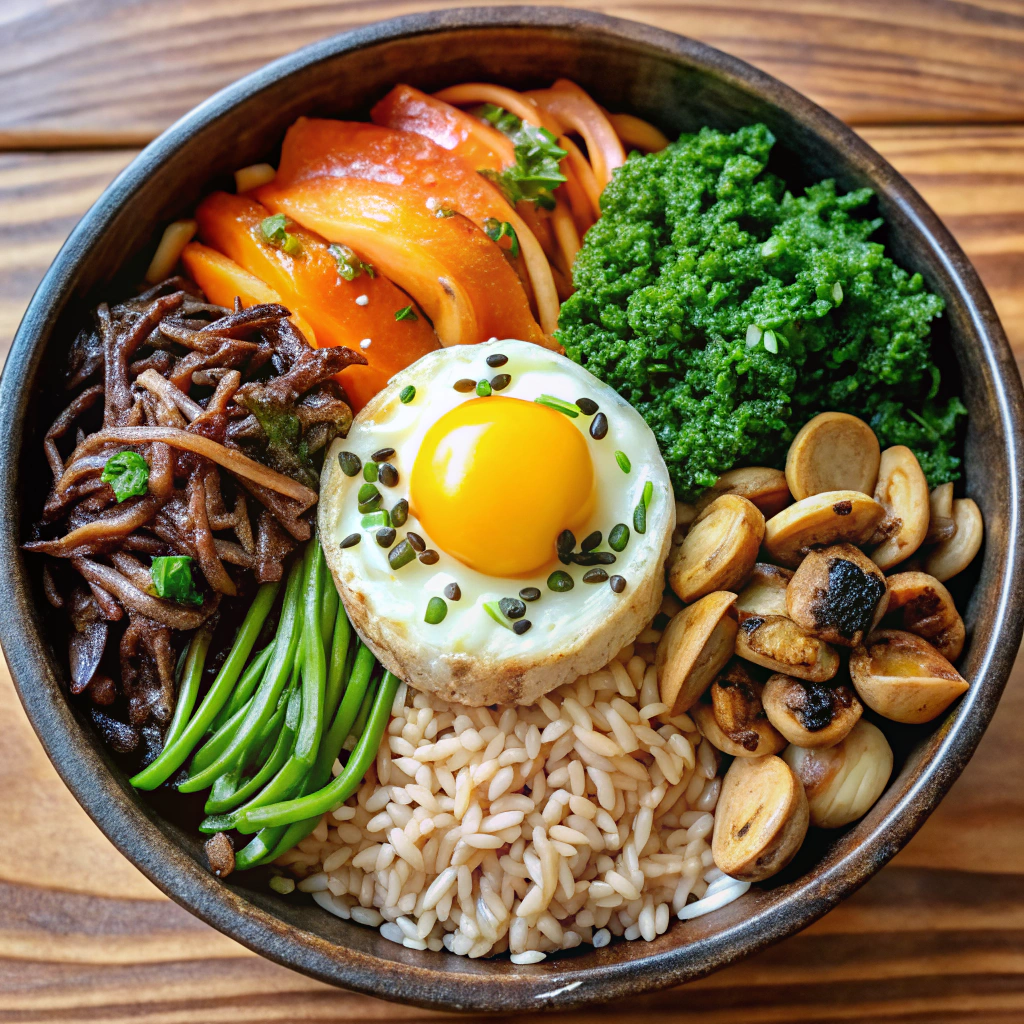
Are you ready to elevate your dinner game with an exciting twist on a classic Korean rice bowl? With our Mushroom Bibimbap with Wild Rice, every bite bursts with flavor, texture, and nutrition. This dish is a refreshing take on the traditional Mushroom Bibimbap recipe, offering a healthy mushroom bowl experience that is both accessible and scrumptiously vibrant. Prepare to enjoy a quick rice bowl that satisfies both your palate and wellness goals.
Ingredients List
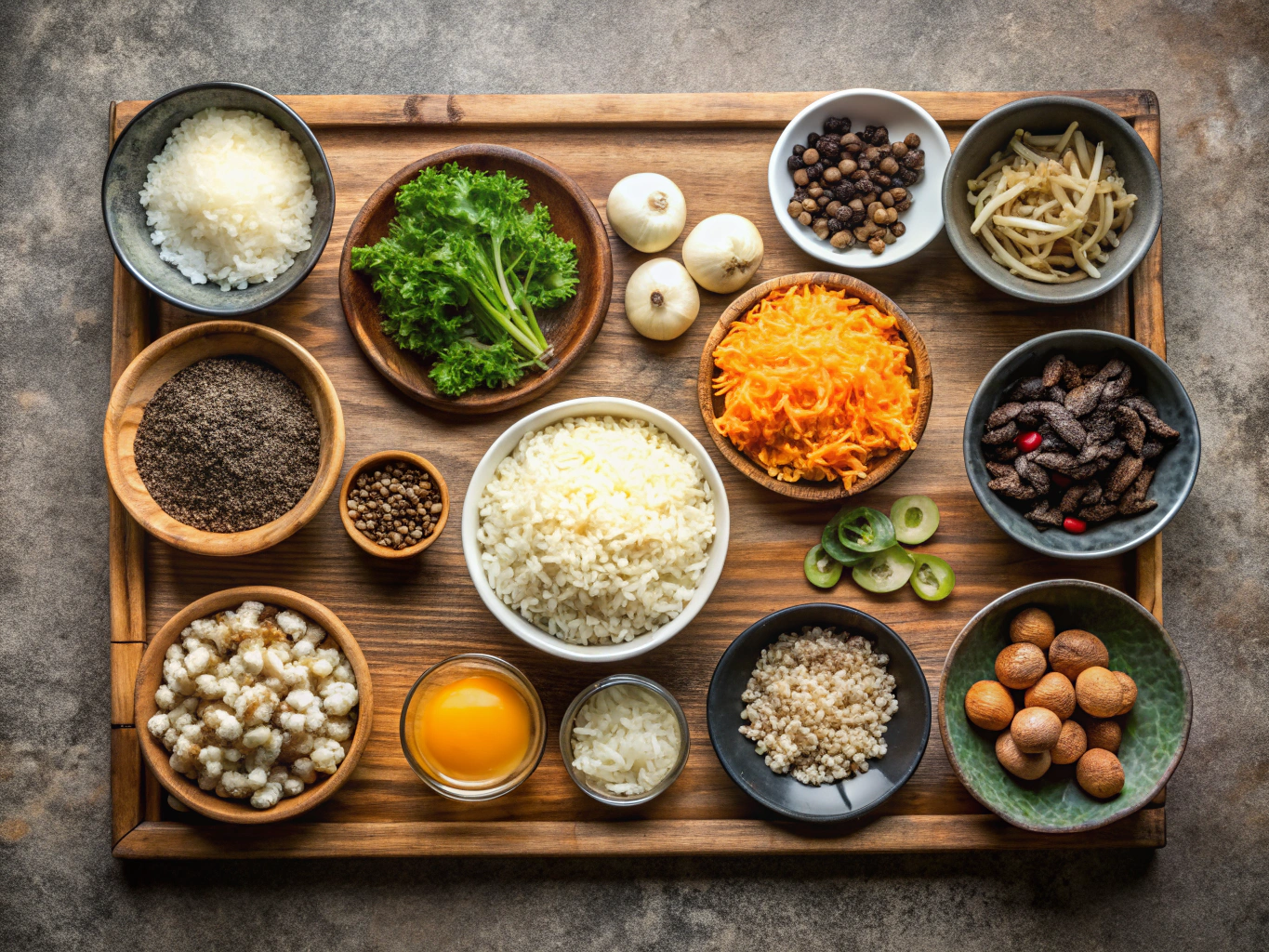
Below is the ingredient list for Mushroom Bibimbap with Wild Rice. Every element has been carefully chosen to deliver a symphony of flavors, from golden roasted garlic to freshly cracked black pepper. Each component ensures a robust, satisfying experience without compromising nutrition. For an extra twist, feel free to substitute traditional mushrooms with shiitake or add a handful of sprouts for that delightful crunch.
- 1 cup wild rice, toasted for an earthy aroma
- 2 cups assorted mushrooms, sliced thinly for a delicate texture
- 1 tablespoon golden roasted garlic, minced finely
- A pinch of freshly cracked black pepper for warmth
- 1 red bell pepper, julienned for sweetness
- 2 cups baby spinach, tender and vibrant
- 1 tablespoon toasted sesame oil for nutty depth
- Optional: A drizzle of gochujang for a spicy kick
These ingredients come together to create a Wild Rice bibimbap that is not only visually appealing but also bursting with layers of flavor. Enjoy this easy bibimbap meal that answers the call for a quick rice bowl perfect for any busy evening.
Timing
Preparation Time: Approximately 20 minutes, allowing enough time for chopping, marinating, and letting the flavors meld. The process encourages mindfulness in each step.
Cooking Time: Expect around 25 minutes of active cooking and assembly time, with clear steps to seize the aroma and texture of every ingredient.
Total Time: Close to 45 minutes from start to finish, making this nutritious bibimbap ideal for a busy weeknight while still impressing guests with fresh, vibrant flavors.
How to Make It (Step-by-Step)
Step 1
Begin by cooking the wild rice in lightly salted water over medium heat until it turns tender and absorbs a nutty aroma. Carefully stir in the toasted wild rice ensuring each kernel is separated. In parallel, prepare your mushrooms by cleaning and drying them properly. A calibrated timer set for 10 minutes ensures that you capture all essential aroma details for a true Wild Rice bibimbap experience.
Step 2
While the rice cooks, heat a nonstick skillet and add toasted sesame oil, allowing it to shimmer with warmth. Introduce the assorted mushrooms and red bell pepper, then sauté until the vegetables achieve a beautifully soft texture with slight caramelization. Stir constantly and add a pinch of freshly cracked black pepper for enhanced fragrance. Pro tip: This step ensures an ideal base for a healthy mushroom bowl that is both rich and savory.
Step 3
Next, gently fold in the baby spinach and minced golden roasted garlic into the vegetables. The spinach wilts quickly, releasing a delicate vibrancy and the garlic infuses an unmistakable aroma to the mix. Lower the heat to a simmer and let the ingredients blend for about 5 minutes as flavors evolve gradually. Keep an eye on the balance, ensuring every bite mirrors the essence of an easy bibimbap meal.
Step 4
Finally, assemble your bowl by layering the cooked wild rice, sautéed vegetables, and mushrooms neatly. Drizzle a touch of gochujang on top if you desire a spicy kick. Garnish with a sprinkle of freshly cracked pepper and extra sesame oil for added flavor. This well-structured technique transforms your bowl into a nutritious bibimbap idea that harmonizes taste and presentation effortlessly.
7 Recipe Ideas to Try
Recipe 1
Alter your Mushroom Bibimbap with Wild Rice by adding marinated tofu to create a protein-packed variation. Crisp tofu contrasts beautifully with the soft sautéed vegetables, enriching the overall taste. This twist on a traditional Mushroom Bibimbap recipe provides a satisfying, healthy mushroom bowl experience that is both filling and refreshingly innovative.
Recipe 2
Experiment with smoked paprika and cumin for an extra smoky flavor that complements the natural earthiness of wild rice. The incorporation of lentils provides an additional protein boost, making this version an easy bibimbap meal option for those looking to enhance nutritional density without extra calories.
Recipe 3
Try a fusion approach by adding a spicy miso glaze that elevates the dish’s signature umami quality. Drizzle the glaze over your cooked wild rice and combine with pickled cucumbers for tanginess. This rendition of Wild Rice bibimbap takes the healthy mushroom bowl to a new level, balancing spice with refreshing crispness.
Recipe 4
Introduce a medley of seasonal greens and diced carrots for added crunch and natural sweetness. This variation is perfect for a nutritious bibimbap idea that remains true to the recipe’s foundation while offering layers of color and texture. Enhanced with crisp radishes, it becomes a visually stunning quick rice bowl.
Recipe 5
Embrace an herbaceous twist by topping your dish with a scattering of fresh cilantro and basil. This subtle change deviates from the classic Korean rice recipe to create a fragrant, herb-infused healthy mushroom bowl. The herbs not only add vibrancy in taste but also contribute a burst of refreshing greenery.
Recipe 6
For a lighter option, substitute wild rice with quinoa for a protein-rich twist that is equally satisfying. Quinoa’s fluffy consistency pairs perfectly with the earthy mushrooms and crisp vegetables. This variation underscores a modern interpretation of an easy bibimbap meal, retaining all the flavors while offering a fresh nutritional punch.
Recipe 7
Finally, spice up your bowl with a secondary layer of fresh seaweed and a soft-boiled egg. The silky egg yolk mingles with the tangy gochujang, creating an explosion of flavor. This creative take on the classic Mushroom Bibimbap with Wild Rice unites the best of Korean rice recipe techniques with unexpected, delightful ingredients.
Nutritional Information
- Calories: Approximately 350 calories per serving, making it a balanced dish in terms of energy.
- Protein: Sourced from wild rice and mushrooms with an optional tofu or egg topping for extra protein.
- Carbohydrates: Complex carbohydrates from wild rice are paired with fibrous vegetables to maintain steady energy release.
- Fat: Healthy fats are provided by toasted sesame oil and the optional egg’s yolk.
- Fiber: An excellent source thanks to fresh spinach, wild rice, and assorted vegetables.
The dish offers a wonderful balance of macronutrients along with vitamins and minerals necessary for a wholesome meal. Enjoy a progressively healthier lifestyle with every serving of this Mushroom Bibimbap with Wild Rice, a recipe that redefines the healthy mushroom bowl by embracing nutrient-rich ingredients.
Why This Recipe Is a Healthy Choice?
Mushroom Bibimbap with Wild Rice is a fantastic healthy choice as it integrates lean proteins, slow-digesting carbohydrates, and essential vitamins packed in a vibrant, colorful mix. The abundance of fiber aids digestion while wild rice contributes sustained energy. Embracing the spirit of mindful eating, this dish aligns with trends in fresh, balanced meals that are as pleasing to the eye as they are nutritious and satisfying.
Serving Suggestions
Serve this versatile bowl as a centerpiece for a casual family dinner or as an elegant dish at a small gathering. Garnish with extra sesame seeds, a few green onions, or even a wedge of lime for added zest. For a complete meal, pair it with a refreshing cucumber salad or a lightly brewed iced green tea. Enhance your Mushroom Bibimbap recipe experience with personalized tweaks.
Common Mistakes to Avoid
- Overcooking the rice or mushrooms, which can lead to a mushy texture.
- Under-seasoning the vegetables, making the dish bland despite its vibrant ingredients.
- Skipping the resting and marinating time that allows the flavors to blend perfectly.
Storing Tips for the Recipe
To enjoy leftovers, transfer your Mushroom Bibimbap with Wild Rice into an airtight container once cooled. Store in the refrigerator for up to 3–4 days or freeze in small portions for 2–3 months. When reheating, use a microwave on medium power or warm gently on the stove to ensure the flavors and textures remain intact. This method preserves both taste and nutrition splendidly.
Conclusion
In conclusion, Mushroom Bibimbap with Wild Rice is not just a meal—it’s an experience that celebrates wholesome ingredients and culinary ingenuity. Whether you are a seasoned chef or just beginning your cooking journey, this dish offers endless flexibility and unmatched taste. Give it a try, experiment with sauces or toppings, and share your delightful rendition with friends and family for a fulfilling culinary adventure.
FAQs
Can I replace one of the ingredients?
Yes, you can modify ingredients to suit your dietary needs or local availability. For instance, substitute mushrooms with eggplant or tofu, and choose gluten-free options for an even healthier twist.
How long can I store this?
You can keep this dish in the fridge for 3–4 days safely, or freeze it in individual portions for 2–3 months. Just be sure to reheat gently to maintain the texture of both the rice and vegetables.
Can I prep it ahead of time?
Absolutely! You can prepare many components such as cooking the rice, chopping the vegetables, and sautéing the mushrooms ahead of time. Store them separately for the best texture and combine just before serving to enjoy this easy bibimbap meal at its freshest.