
Introduction
Modern life makes stress almost unavoidable, but feeling constantly overwhelmed does not have to be your “new normal.” Learning how to reduce stress naturally every day is less about dramatic life changes and more about small, repeatable habits that calm your nervous system and support emotional health.
Stress itself is not the enemy. In short bursts, it helps you stay alert, meet deadlines, and respond to challenges. The problem arises when stress becomes chronic. Long-term activation of your body’s stress response keeps cortisol levels elevated, disrupts sleep quality, and wears down your immune, cardiovascular, and digestive systems.
This article explains what causes stress, how it shows up in the body and mind, and which risk factors make you more vulnerable. You will learn practical stress management strategies, lifestyle improvements for anxiety relief, and ways to build emotional resilience over time. These approaches are grounded in psychological research and behavioral science, and designed to be realistic for everyday life.
While no single technique is a magic cure, combining several of these natural tools can help you feel calmer, sleep better, and handle life’s challenges with more confidence and clarity.
Causes
Stress occurs when you perceive that demands exceed your resources. This perception can come from external situations or internal pressures, and often from a combination of both. Understanding your personal stress triggers is the first step to reduce stress naturally and consistently.
Common external causes include work or academic pressure, financial strain, family conflict, and health problems. Tight deadlines, unclear expectations, job insecurity, and caregiving responsibilities are frequent sources of ongoing tension that keep the stress response switched on.
Internal causes revolve around how you think and interpret events. Perfectionism, people-pleasing, self-criticism, and unrealistic expectations can turn ordinary challenges into ongoing crises. Catastrophic thinking (“This will ruin everything”) or black-and-white thinking (“If it’s not perfect, it’s a failure”) increases anxiety and activates the body’s fight-or-flight system.
Physiologically, stress is driven by the hypothalamic–pituitary–adrenal (HPA) axis and the sympathetic nervous system. When you face a perceived threat, your brain releases stress hormones such as adrenaline and cortisol. These hormones increase heart rate, sharpen focus, and redirect energy to help you cope. When stress is constant, the system does not fully shut down, which can lead to exhaustion, irritability, and health problems over time.
Finally, environmental factors such as chronic noise, overcrowding, digital overload, and lack of access to nature can create a background level of tension that you may not even notice, but that steadily drains your mental and physical resources.
Symptoms
Stress symptoms can affect your body, emotions, thoughts, and behavior. Recognizing early warning signs makes it easier to act before stress escalates into burnout or an anxiety disorder.
Physical symptoms often include:
- Headaches or migraines
- Muscle tension, especially in the neck, shoulders, and jaw
- Upset stomach, nausea, or changes in appetite
- Racing heart, shortness of breath, or chest tightness
- Fatigue, low energy, or frequent colds
- Difficulty falling or staying asleep, or unrefreshing sleep
Emotional and mental symptoms may involve:
- Feeling overwhelmed, on edge, or “wired but tired”
- Increased anxiety, worry, or a sense of impending doom
- Irritability, anger outbursts, or tearfulness
- Low mood, loss of motivation, or feeling emotionally numb
- Racing thoughts, difficulty concentrating, or memory problems
Behavioral changes can be subtle but important signs that your stress levels are rising. You might withdraw from social activities, procrastinate more, use alcohol or substances to cope, overwork to avoid emotions, or rely heavily on your phone for distraction.
When stress becomes chronic, these symptoms can feed into each other. Poor sleep increases irritability and anxiety; heightened anxiety raises cortisol levels; elevated cortisol further disrupts sleep and immune function. Interrupting this cycle with natural stress reduction strategies is key for long-term emotional health.
Risk Factors
Everyone experiences stress, but some people are more vulnerable to its negative effects than others. Risk factors include a mix of biology, life history, personality traits, and current circumstances.
Biological and health-related risk factors include genetic predisposition to anxiety or mood disorders, a history of trauma, chronic medical conditions, and hormonal changes (such as during pregnancy, postpartum, or menopause). These factors can make your stress response more reactive or slower to calm down.
Psychological and personality-related risk factors include perfectionism, high self-criticism, and a strong need for control. People who have difficulty setting boundaries, saying no, or tolerating uncertainty are more likely to feel overwhelmed by daily demands.
Environmental and social risk factors play a major role in stress levels. These include:
- Financial insecurity or job instability
- Lack of social support or social isolation
- Hostile or unpredictable home or work environments
- Discrimination, marginalization, or chronic microaggressions
- Exposure to violence, abuse, or ongoing conflict
Lifestyle habits contribute as well. Irregular sleep, high caffeine or alcohol intake, a sedentary routine, and constant exposure to digital devices can keep your nervous system on high alert. Over time, this baseline hyperarousal makes even small stressors feel unmanageable.
Understanding your unique mix of risk factors allows you to choose targeted strategies to reduce stress naturally. For example, someone with limited social support may focus on building connections, while a perfectionist might prioritize cognitive and behavioral tools that challenge unhelpful thinking patterns.
Stress Prevention Strategies
Build a Daily Calm Routine
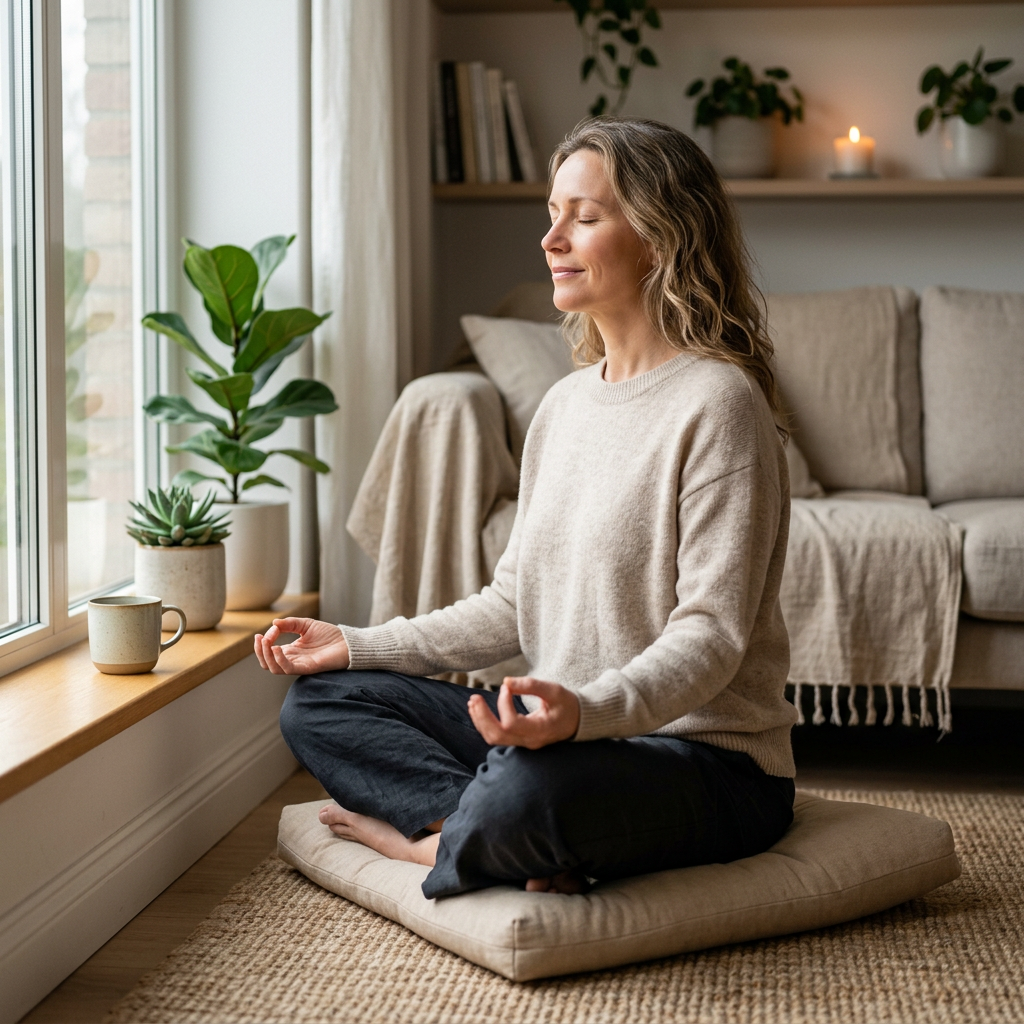
Preventing stress is easier than recovering from burnout. A daily calm routine signals to your brain and body that it is safe to relax, helping to balance cortisol levels and support nervous system regulation.
Consider choosing two or three brief practices you can do almost every day, such as:
- Five minutes of slow, diaphragmatic breathing
- A short walk outdoors without multitasking on your phone
- A cup of tea enjoyed mindfully, noticing taste, warmth, and aroma
- Gentle stretching before bed to release muscle tension
These small, repeated moments of calm teach your body a new default setting: from constant urgency to a more balanced state of alertness and rest.
Practice Mindfulness and Grounding
Mindfulness involves paying attention to the present moment without judgment. Research suggests that even brief daily mindfulness practices can reduce anxiety, improve emotional regulation, and support better sleep quality.
Simple grounding techniques to reduce stress naturally include:
- The 5–4–3–2–1 method: name 5 things you can see, 4 you can touch, 3 you can hear, 2 you can smell, and 1 you can taste.
- Mindful breathing: inhale through your nose for 4 seconds, exhale through your mouth for 6 seconds, repeating 8–10 times.
- Body scan: slowly move your attention from your toes to your head, noticing sensations without trying to change them.
These practices calm the sympathetic nervous system and activate the parasympathetic “rest and digest” response, which promotes recovery and emotional resilience.
Set Boundaries and Manage Demands
Stress often comes from taking on more than you realistically have resources for. Learning to set healthy boundaries is a powerful form of stress prevention and burnout recovery.
Practical boundary strategies include:
- Limiting after-hours work communication when possible
- Scheduling “no meeting” blocks to protect focused work
- Politely declining non-essential commitments that drain your energy
- Negotiating shared responsibilities at home or with family
When you align your commitments with your actual capacity, you reduce the constant sense of running behind and create space for rest, connection, and self-care.
Use Early Warning Signs as Signals
Instead of viewing stress signs as failures, treat them as alerts. A spike in irritability, poor sleep for several nights, or a return of tension headaches can be your internal dashboard lights.
When you notice these signals, gently adjust by:
- Clearing one non-essential task from your schedule
- Prioritizing sleep and relaxation for a few evenings
- Reaching out to a trusted friend or family member
- Recommitting to a brief daily mindfulness or movement practice
Responding early helps prevent a temporary rough patch from turning into chronic stress.
Lifestyle Improvements
Lifestyle changes are among the most powerful ways to reduce stress naturally, because they shift the underlying conditions that keep your nervous system overwhelmed. You do not need a perfect routine; small, consistent improvements matter more than occasional extremes.
Supportive Sleep Habits
Poor sleep both causes and worsens stress. During deep sleep, the brain processes emotional experiences, the body repairs tissues, and cortisol levels reset. When sleep is irregular or insufficient, you are more reactive, less patient, and less able to cope.
To improve sleep quality:
- Keep a regular wake and bed time, even on weekends.
- Limit caffeine after mid-afternoon and reduce late-night screen use.
- Create a simple wind-down routine: dim lights, gentle stretching, reading, or relaxation exercises.
- Reserve your bed for sleep and intimacy rather than work or scrolling.
Over time, these habits train your brain to associate bedtime with safety and rest.
Movement for Mood and Stress Management
Physical activity helps clear stress hormones and releases endorphins and other neurotransmitters linked to mood and anxiety relief. You do not need intense workouts to benefit; regular, moderate movement is enough to support emotional health.
Helpful approaches include:
- Brisk walking for 20–30 minutes most days
- Yoga, tai chi, or qigong to combine gentle movement with breath
- Short “movement snacks” during the day: stretching, stairs, or a few squats
Exercise also improves sleep, supports cardiovascular health, and provides a constructive outlet for frustration and restless energy.
Nourishing Nutrition and Hydration
Food affects mood and stress responses through blood sugar stability, inflammation, and gut–brain communication. While no specific diet can eliminate stress, certain habits can make you more resilient.
Consider:
- Eating regular meals to avoid blood sugar crashes that trigger irritability and anxiety
- Including protein, fiber, and healthy fats in most meals to provide steady energy
- Prioritizing whole foods such as vegetables, fruits, whole grains, legumes, nuts, and seeds
- Limiting excessive alcohol and high-sugar drinks, which can disrupt sleep and mood
- Staying adequately hydrated throughout the day
A balanced, consistent way of eating supports brain function and can stabilize mood swings that often accompany prolonged stress.
Digital Hygiene and Information Diet
Constant notifications, news alerts, and social media comparisons can keep you in a low-level state of anxiety. Improving your digital habits is an increasingly important part of natural stress reduction.
Practical steps include:
- Turning off non-essential notifications
- Creating tech-free times (for example, during meals and the first and last 30 minutes of your day)
- Setting limits on news and social media consumption, especially before bed
- Curating your feeds to reduce exposure to content that triggers stress or comparison
By giving your brain regular breaks from digital stimulation, you create mental space for reflection, creativity, and genuine rest.
Long-Term Consequences
Occasional stress is a normal part of life, but chronic, unmanaged stress can have serious long-term consequences for physical and mental health. Understanding these risks can motivate you to take consistent, preventive steps.
Physically, prolonged elevation of cortisol and adrenaline can contribute to high blood pressure, increased risk of heart disease, digestive issues such as irritable bowel symptoms, and weakened immune function. It may also influence blood sugar regulation and weight changes in some individuals.
In terms of mental health, chronic stress is linked to higher rates of anxiety disorders, depression, and burnout. When your nervous system is constantly in fight-or-flight mode, it becomes harder to experience positive emotions, focus on tasks, or feel hopeful about the future. This can affect work performance, relationships, and overall quality of life.
Cognitive effects may include persistent difficulty concentrating, forgetfulness, and decision fatigue. Over time, this can erode confidence and increase self-criticism, further fueling stress.
Relationship strain is another consequence. When you are exhausted or irritable, it is harder to communicate calmly, show empathy, or set aside time for connection. Conflicts may escalate more quickly, creating a feedback loop where interpersonal stress worsens overall well-being.
By taking steps now to reduce stress naturally, you are not just seeking short-term relief. You are also protecting your long-term emotional resilience, physical health, and ability to enjoy daily life.
When to Seek Professional Help
Self-help strategies are valuable, but they are not always enough. It is important to recognize when stress has reached a level where professional support can provide safety, structure, and specialized tools.
Consider reaching out to a mental health professional if:
- Stress or anxiety is present most days for several weeks or more
- You experience panic attacks, intense worry, or intrusive thoughts
- Sleep problems, low mood, or irritability significantly interfere with work, school, or relationships
- You notice increased use of alcohol, medications, or substances to cope
- You feel hopeless, numb, or disconnected from activities and people you usually care about
Immediate help is crucial if you experience thoughts of self-harm, harming others, or feel unable to keep yourself safe. In such situations, contact emergency services or your local crisis line right away.
Therapists, counselors, and psychologists can provide evidence-based approaches such as cognitive behavioral therapy (CBT), acceptance and commitment therapy (ACT), or mindfulness-based interventions. These methods address unhelpful thought patterns, teach coping skills, and support behavior changes that make daily life more manageable.
Working with a healthcare provider is also important to rule out medical conditions that can mimic or worsen stress and anxiety, such as thyroid problems, sleep disorders, or side effects from medications.
Seeking help is not a sign of weakness. It is a proactive step in taking your mental health seriously and building sustainable strategies to cope with life’s demands.
FAQ
1. How can I reduce stress naturally in just a few minutes?
Quick techniques include slow, deep breathing, a brief body scan, or stepping outside for fresh air and movement. Even two to five minutes of intentional breathing (longer exhales than inhales) can lower heart rate and signal your nervous system to shift toward a calmer state.
2. How long does it take for natural stress management strategies to work?
You may notice small improvements, such as feeling slightly calmer or sleeping a bit better, within days or weeks of consistent practice. More lasting changes in emotional resilience and baseline anxiety levels often develop over several months of regular habits like exercise, mindfulness, and boundary setting.
3. Can diet really affect my stress levels?
Yes. Large blood sugar swings, dehydration, and high intake of caffeine or alcohol can all increase tension, jitteriness, and sleep problems. Eating regular, balanced meals and staying hydrated support stable energy and mood, making it easier to cope with stress.
4. Is all stress bad for my health?
No. Short-term stress in response to specific challenges can be helpful and motivating. It becomes a problem when it is intense, frequent, or ongoing without enough opportunities for rest and recovery. The goal is not to eliminate stress, but to manage it and build resilience.
5. Are natural methods enough, or will I need medication?
Many people find significant relief from lifestyle changes, therapy, and natural coping skills alone. Others benefit from a combination of these strategies and medication, especially when symptoms are severe or long-lasting. A healthcare professional can help you weigh options based on your unique situation.
Conclusion
Learning how to reduce stress naturally every day is an ongoing process rather than a single solution. By understanding what triggers your stress, recognizing early symptoms, and addressing personal risk factors, you can choose strategies that genuinely fit your life and values.
Small, consistent habits—such as mindful breathing, daily movement, restorative sleep routines, and healthier boundaries—help regulate cortisol levels and support your body’s natural capacity to recover from stress. Over time, these practices build emotional resilience, improve sleep quality, and enhance your overall sense of well-being.
If stress feels unmanageable despite your best efforts, professional support can offer additional tools and safety. This article provides general information and is not a substitute for personalized medical or psychological advice. Always consult a qualified healthcare provider about concerns related to your mental health or treatment options.