If your smoothies have been leaving you hungry an hour later, you’re probably not getting enough protein in them. A blueberry banana blend that’s heavy on fruit and light on protein might taste great, but it won’t carry you through a busy morning — or fuel a serious workout. That’s where high protein smoothie recipes come in.
Done right, a protein smoothie can deliver 30 to 40 grams of protein, taste genuinely delicious, and take about five minutes to make. This guide covers seven recipes worth actually making, plus everything you need to know about ingredients, ratios, and common mistakes people make when building a protein-packed blend.
What Makes a Smoothie “High Protein”?
A smoothie earns that label when it hits at least 20 grams of protein per serving. The sweet spot for most people — whether you’re hitting the gym, trying to lose weight, or just want something that holds you over until lunch — tends to be 25 to 35 grams.
You can get there with a few different ingredient combinations:
- Protein powder (whey, casein, or plant-based): typically 20–25g per scoop
- Greek yogurt: roughly 15–17g per cup
- Cottage cheese: about 25g per cup, and it blends smoother than you’d think
- Nut butter: 7–8g per two tablespoons
- Hemp seeds: 10g per three tablespoons
- Silken tofu: 10g per half cup
Layering two or three of these together is how you hit those higher protein targets without making the smoothie taste like a supplement shake.
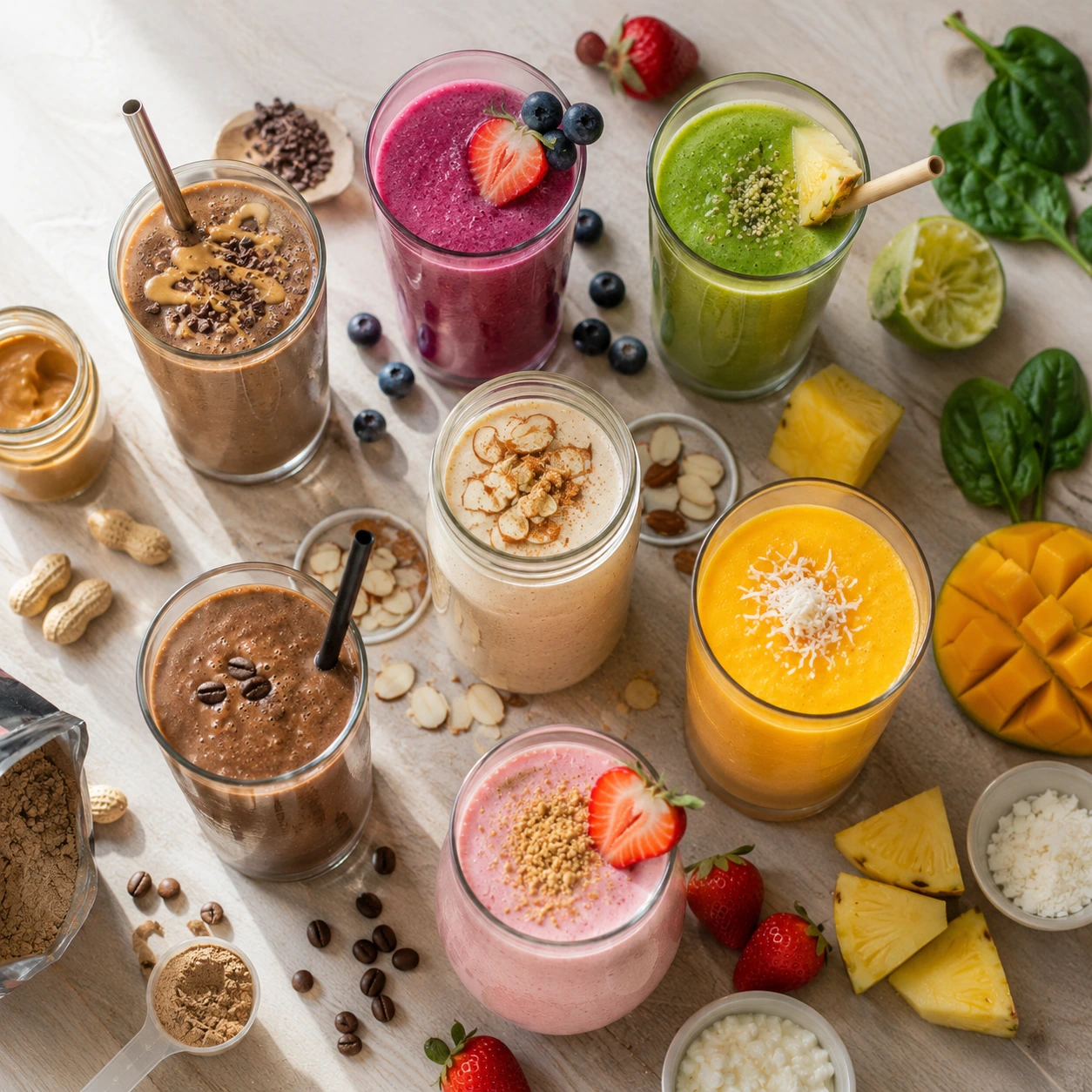
The 7 Best High Protein Smoothie Recipes
1. Classic Chocolate Peanut Butter Protein Smoothie
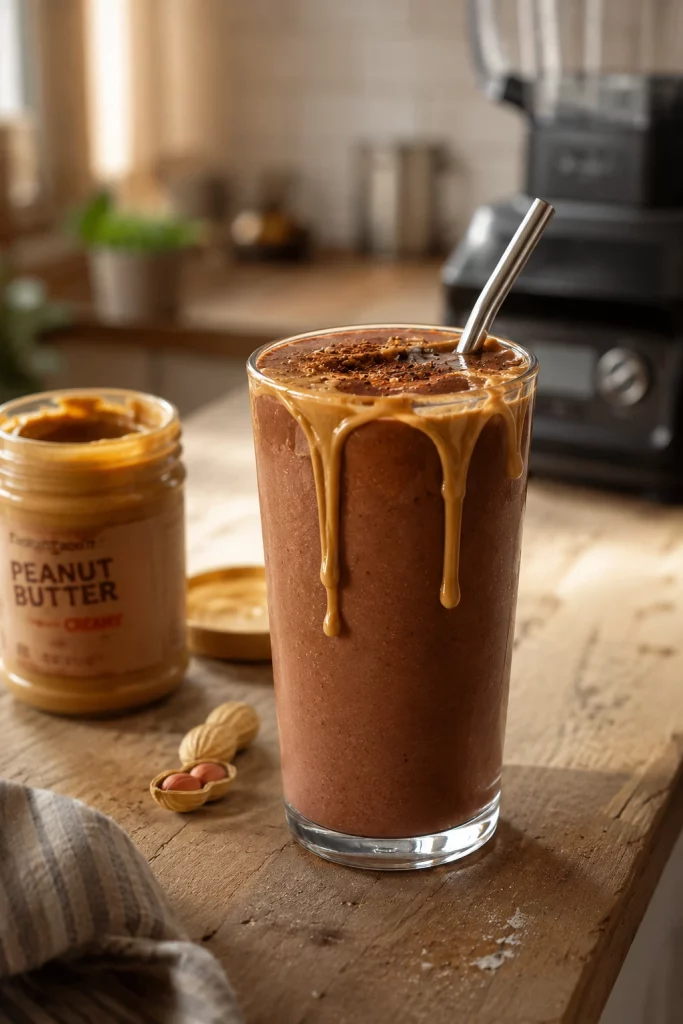
This is the crowd-pleaser. It tastes like dessert, hits around 35 grams of protein, and takes four minutes to make.
You’ll need:
- 1 scoop chocolate whey or plant-based protein powder
- 1 cup unsweetened almond milk
- 2 tablespoons natural peanut butter
- ½ frozen banana (adds creaminess without making it too sweet)
- 1 tablespoon cocoa powder
- 1 cup ice
Blend everything until smooth. If it’s too thick, add a splash more milk. If you want it even richer, swap the almond milk for full-fat oat milk.
Protein: ~35g | Calories: ~380
2. Greek Yogurt Berry Protein Smoothie
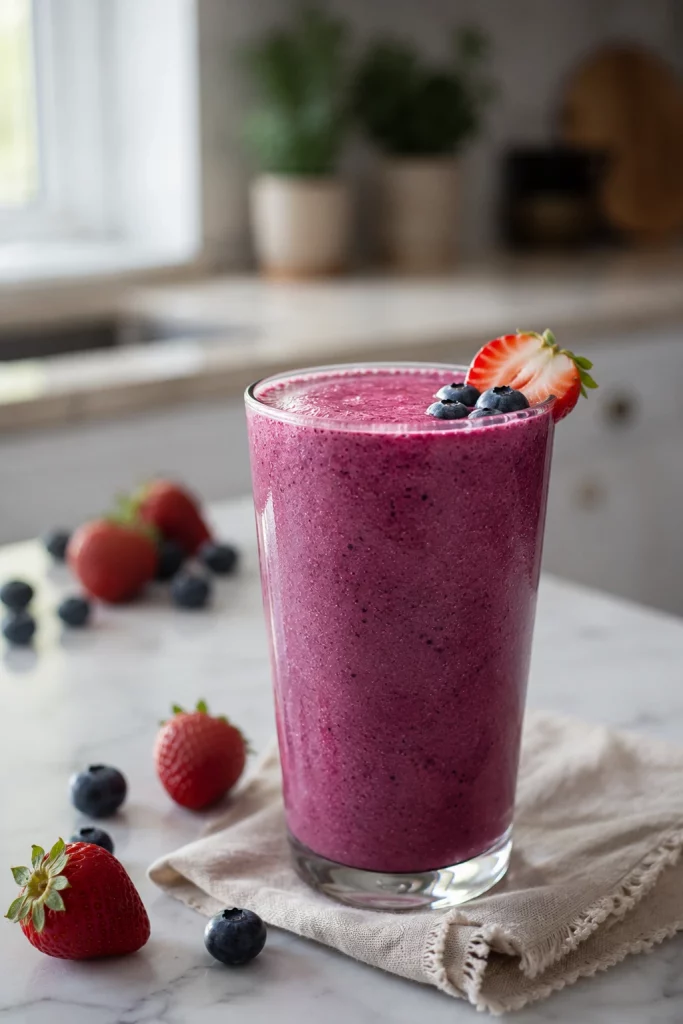
This one’s bright, tangy, and genuinely refreshing — not the heavy, chalky slog that protein smoothies can sometimes feel like.
You’ll need:
- 1 cup plain Greek yogurt (full-fat or 2%)
- ½ cup frozen mixed berries
- ½ scoop vanilla protein powder
- ½ cup milk of your choice
- 1 teaspoon honey (optional)
- A small handful of ice
Blend until the berries are fully broken down. The yogurt gives it a thick, almost froyo-like texture that’s surprisingly satisfying.
Protein: ~28g | Calories: ~310
3. Green Protein Powerhouse Smoothie
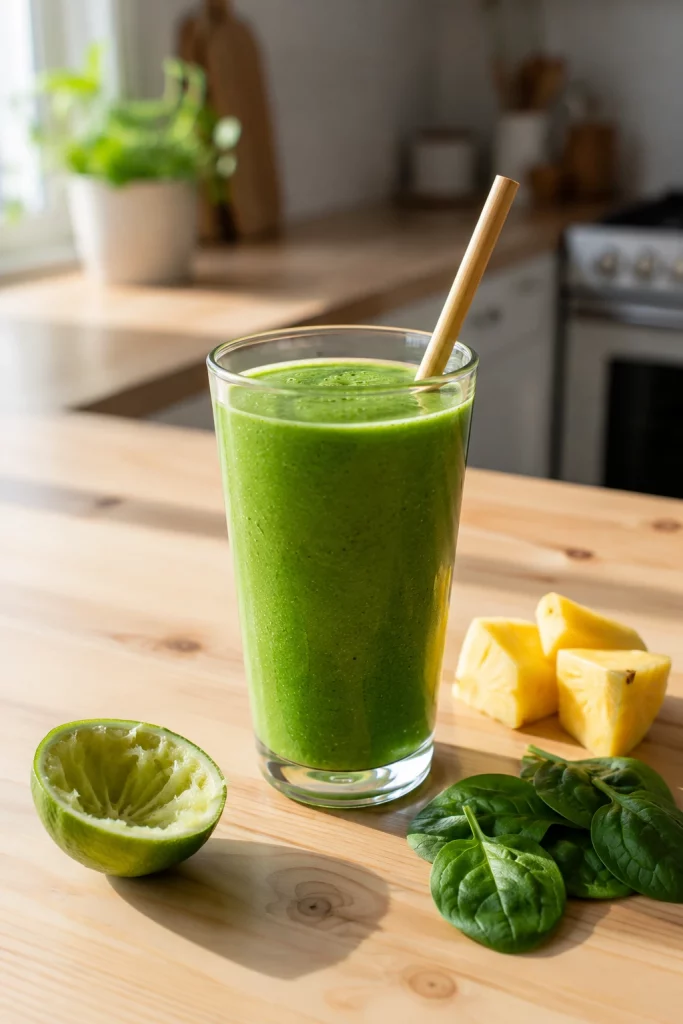
Before you scroll past the word “green” — hear this out. This smoothie is mostly sweet and creamy, not grassy. The spinach disappears into the background.
You’ll need:
- 1 scoop vanilla protein powder
- 2 large handfuls of fresh spinach
- 1 cup unsweetened coconut milk
- ½ frozen banana
- 2 tablespoons hemp seeds
- ½ cup frozen pineapple chunks
- Juice of half a lime
Blend the spinach and coconut milk first until there are no leafy bits left, then add everything else. The pineapple and lime make it taste tropical, not like a salad.
Protein: ~30g | Calories: ~340
4. Vanilla Almond Overnight Protein Smoothie
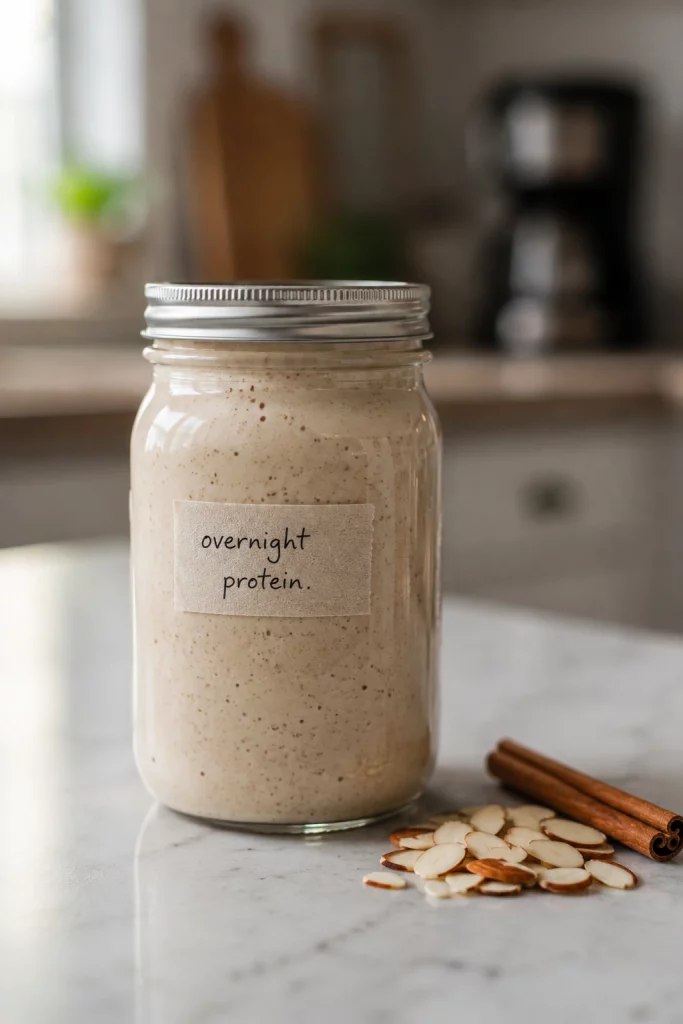
This one’s meant to be prepped the night before and grabbed on your way out the door in the morning.
You’ll need:
- 1 scoop vanilla protein powder
- 1 cup almond milk
- ½ cup cottage cheese
- 2 tablespoons almond butter
- 1 teaspoon chia seeds
- ¼ teaspoon cinnamon
Blend everything together and store in a mason jar with a lid. In the morning, give it a shake. The chia seeds thicken it overnight into something almost pudding-like — in the best way.
Protein: ~38g | Calories: ~420
5. Tropical Mango Protein Smoothie
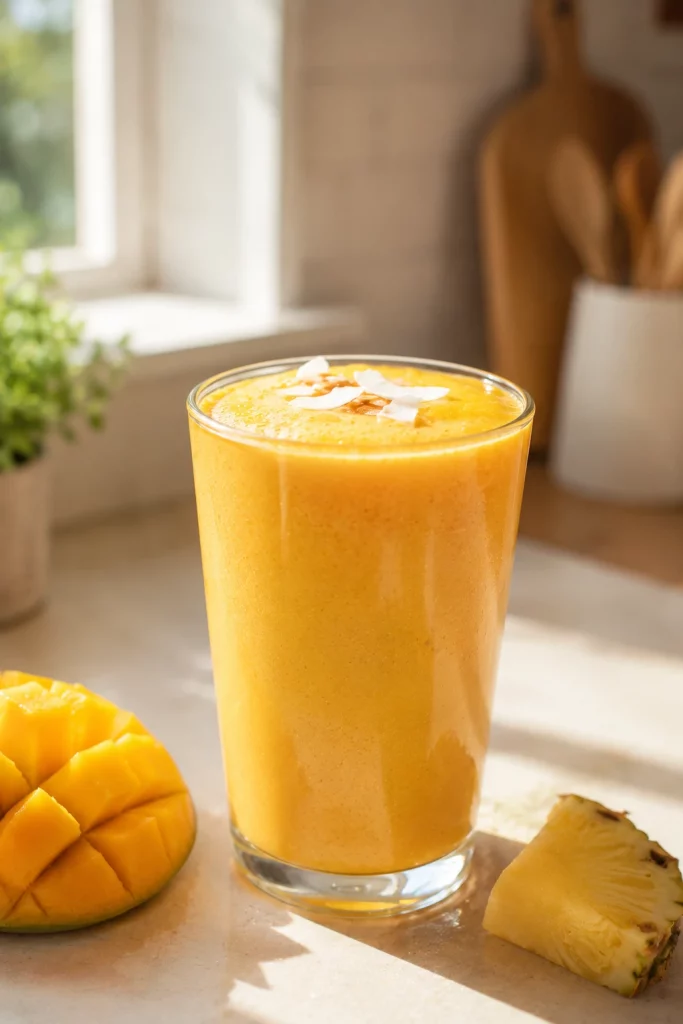
When you want something that feels more vacation than gym, this one delivers.
You’ll need:
- 1 scoop unflavored or vanilla plant-based protein powder
- 1 cup frozen mango chunks
- ½ cup canned lite coconut milk
- ½ cup Greek yogurt
- ½ cup pineapple juice (or water for lower sugar)
- Pinch of turmeric (optional, anti-inflammatory bonus)
Blend until completely smooth. This is creamy, lightly sweet, and rich enough to count as a meal.
Protein: ~25g | Calories: ~355
6. Coffee Protein Smoothie (The Pre-Workout Pick-Me-Up)
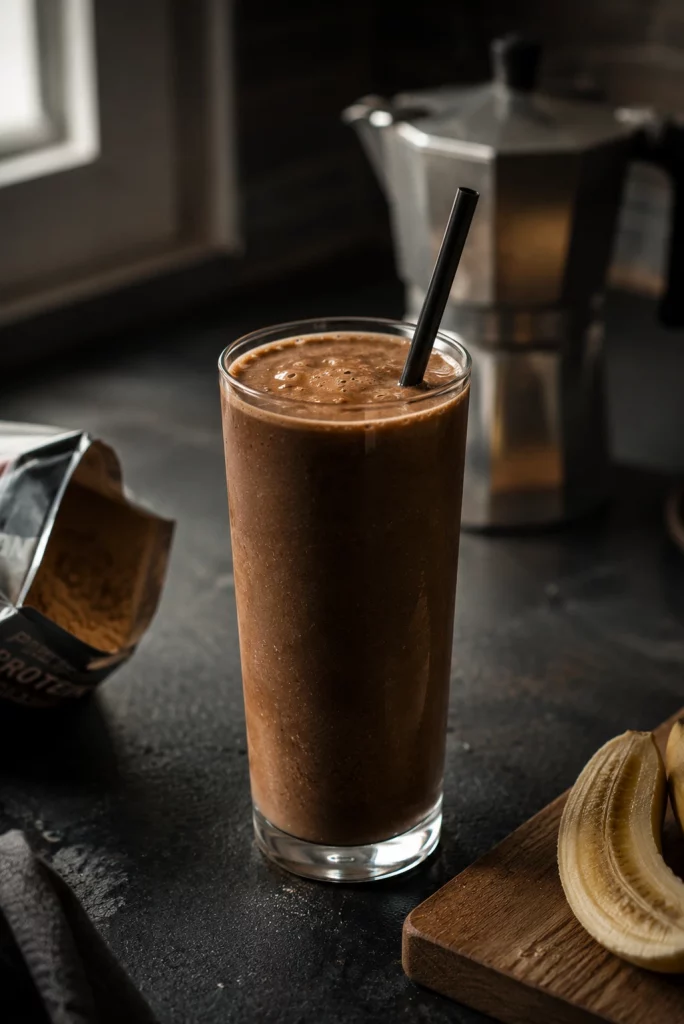
Caffeine and protein in one glass — this is the pre-workout smoothie that actually tastes good enough to look forward to.
You’ll need:
- 1 scoop chocolate or mocha protein powder
- ½ cup cold brew coffee or strongly brewed coffee, cooled
- ½ cup almond milk
- ½ frozen banana
- 1 tablespoon cocoa powder
- 1 cup ice
Blend until smooth and frothy. The cold brew adds a deep, slightly bitter flavor that balances the sweetness of the banana and protein powder beautifully.
Protein: ~27g | Calories: ~290
7. Strawberry Cheesecake Protein Smoothie
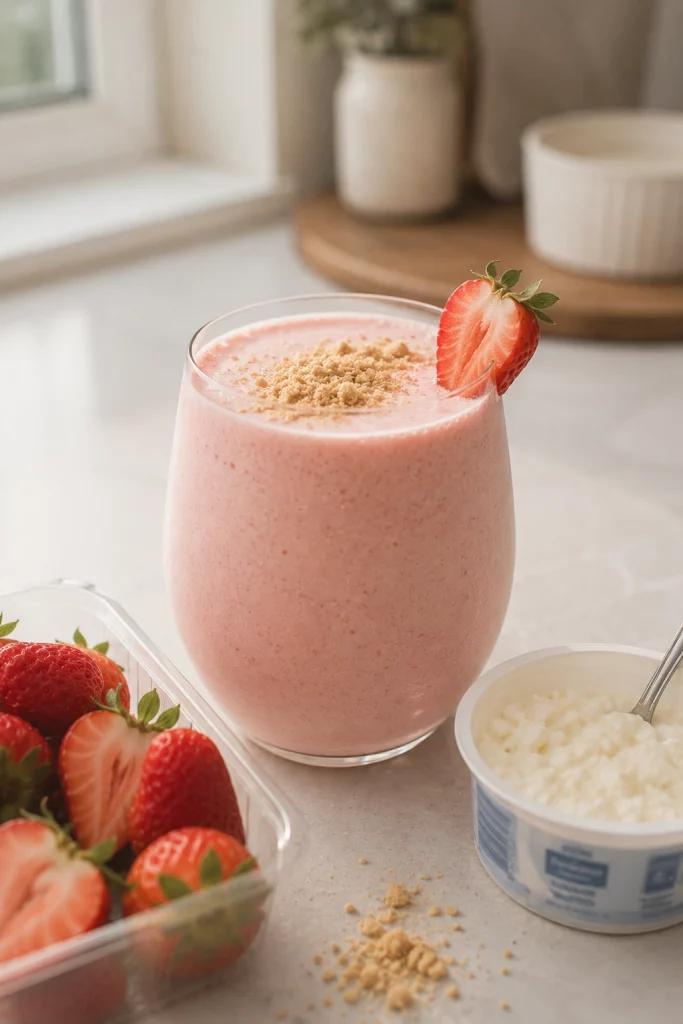
This sounds indulgent because it kind of is — but in all the right ways.
You’ll need:
- 1 scoop vanilla protein powder
- ½ cup cottage cheese
- ½ cup frozen strawberries
- ½ cup milk
- 1 tablespoon cream cheese (the real stuff, not low-fat)
- 1 teaspoon vanilla extract
- 3 graham cracker squares (optional, blended in)
Blend until silky smooth. The cottage cheese and cream cheese together create this thick, almost cheesecake-filling texture. It’s rich without being heavy.
Protein: ~32g | Calories: ~380
Ingredients That Maximize Protein Without Ruining Texture
The biggest complaint people have about protein smoothies is that they’re either chalky, gritty, or weirdly foamy. That usually comes down to ingredient choice and order.
Greek yogurt is probably the best texture enhancer out there for protein smoothies. It blends into an almost velvety consistency and adds protein without the artificial aftertaste some powders bring.
Cottage cheese is the underrated MVP of this category. Once blended, you’d never guess it’s in there — but it bumps your protein count significantly. Full-fat versions blend smoother than low-fat ones.
Nut butters add protein, healthy fats, and a creaminess that helps the smoothie feel more satisfying. Natural peanut butter, almond butter, and cashew butter all work well.
Frozen banana is a texture trick more than a protein source. Half a frozen banana makes any smoothie thicker and creamier. If you’re watching carbs, frozen cauliflower actually does something similar without the sugar hit.
How to Fix the Most Common Protein Smoothie Problems
It tastes chalky. This usually means too much protein powder relative to liquid and fruit. Try cutting back to half a scoop and adding cottage cheese or Greek yogurt to hit your protein target instead.
It’s too thin. Add more frozen fruit, frozen banana, or a spoonful of nut butter. Chia seeds are another option — they’ll thicken it within a few minutes.
It’s too thick to drink. Add liquid gradually — a splash at a time — until you hit the right consistency.
It separates after a few minutes. This is normal, especially with plant-based protein powders. Just stir or shake it before drinking.
It tastes like protein powder. Strong chocolate or vanilla protein powders tend to overpower everything. Try unflavored protein powder and build flavor with cocoa, vanilla extract, or real fruit instead.
5 Recipe Variations Worth Exploring
Once you’ve got the basics down, these tweaks open up a lot of variety:
Keto-friendly version: Skip the banana and high-sugar fruit. Use berries, avocado for creaminess, coconut milk, and MCT oil. Pair with unflavored whey or casein.
Vegan version: Pea protein or brown rice protein works well. Add hemp seeds, flax seeds, almond butter, and plant milk to boost the protein count further.
Weight loss version: Focus on volume — more leafy greens, more ice, less banana. Greek yogurt over high-calorie nut butters. Aim for high protein with lower overall calories.
Bulking version: Add rolled oats to the blend (it thickens it up and adds carbs), use full-fat dairy, add a second scoop of protein or extra nut butter, and include more frozen fruit.
Kids-friendly version: Skip the protein powder entirely. Use Greek yogurt, a banana, nut butter, milk, and a drizzle of honey. Kids get real protein from whole-food ingredients without anything artificial.
How to Store Protein Smoothies
Smoothies are always best fresh, but you can prep them ahead without too much quality loss.
Refrigerator: Store in a sealed mason jar for up to 24 hours. There will be some separation — just shake or stir before drinking. The texture may shift slightly overnight, especially if you used chia seeds or oats.
Freezer: Pour smoothie into ice cube trays and freeze solid. Transfer cubes to a zip-lock bag. When you’re ready to drink, blend the cubes with a little milk or water — it comes out great.
Dry mix prep: Measure out your protein powder, seeds, and dry spices into small bags or jars ahead of time. Keep frozen fruit portioned in freezer bags. In the morning, dump everything into the blender with liquid and you’re done in 90 seconds.
Serving Suggestions
A high protein smoothie can absolutely stand on its own as a meal, but pairing it with a small side makes it even more satisfying:
- A slice of whole grain toast with avocado adds healthy fats and fiber
- Two hard-boiled eggs alongside a lighter smoothie rounds out the protein even more
- A small handful of nuts or a piece of fruit works if you need something to chew
- On rest days, a smoothie + a bowl of steel-cut oats is a great combination
Frequently Asked Questions
How much protein should a protein smoothie have?
At minimum, aim for 20 grams. For a meal replacement, 30 to 40 grams is a solid target. For a snack, 15 to 20 grams is usually plenty.
Can I make protein smoothies without protein powder?
Absolutely. Greek yogurt, cottage cheese, nut butters, hemp seeds, and silken tofu are all whole-food protein sources that can easily get you to 20–30 grams without any powder.
What’s the best protein powder for smoothies?
Whey protein blends the smoothest and has a mild flavor profile. For plant-based options, pea protein tends to be the least gritty. Casein protein makes smoothies especially thick.
Are protein smoothies good for weight loss?
They can be, depending on what’s in them. A high-protein, moderate-calorie smoothie keeps you full longer than a high-carb one, which can help reduce overall calorie intake throughout the day.
Why is my smoothie separating?
This is natural — it’s just the denser ingredients settling. Give it a shake or stir. Adding a tablespoon of chia seeds or a bit of Greek yogurt can help stabilize the consistency.
Can I drink a protein smoothie before bed?
Yes, casein protein in particular is often recommended before bed because it digests slowly. Keep it lower in sugar and calories if you’re having it late at night.
Is a protein smoothie a good post-workout option?
One of the best, actually. After a workout, your muscles are primed to use protein for repair. A smoothie that hits 25–35g of protein and includes some carbohydrates from fruit is ideal for recovery.
How do I keep my protein smoothie from being too sweet?
Use unsweetened milk, skip sweeteners, reduce the banana to a quarter or half, and choose unflavored or lightly flavored protein powder. A squeeze of lemon or lime juice can balance out sweetness naturally.