
Introduction
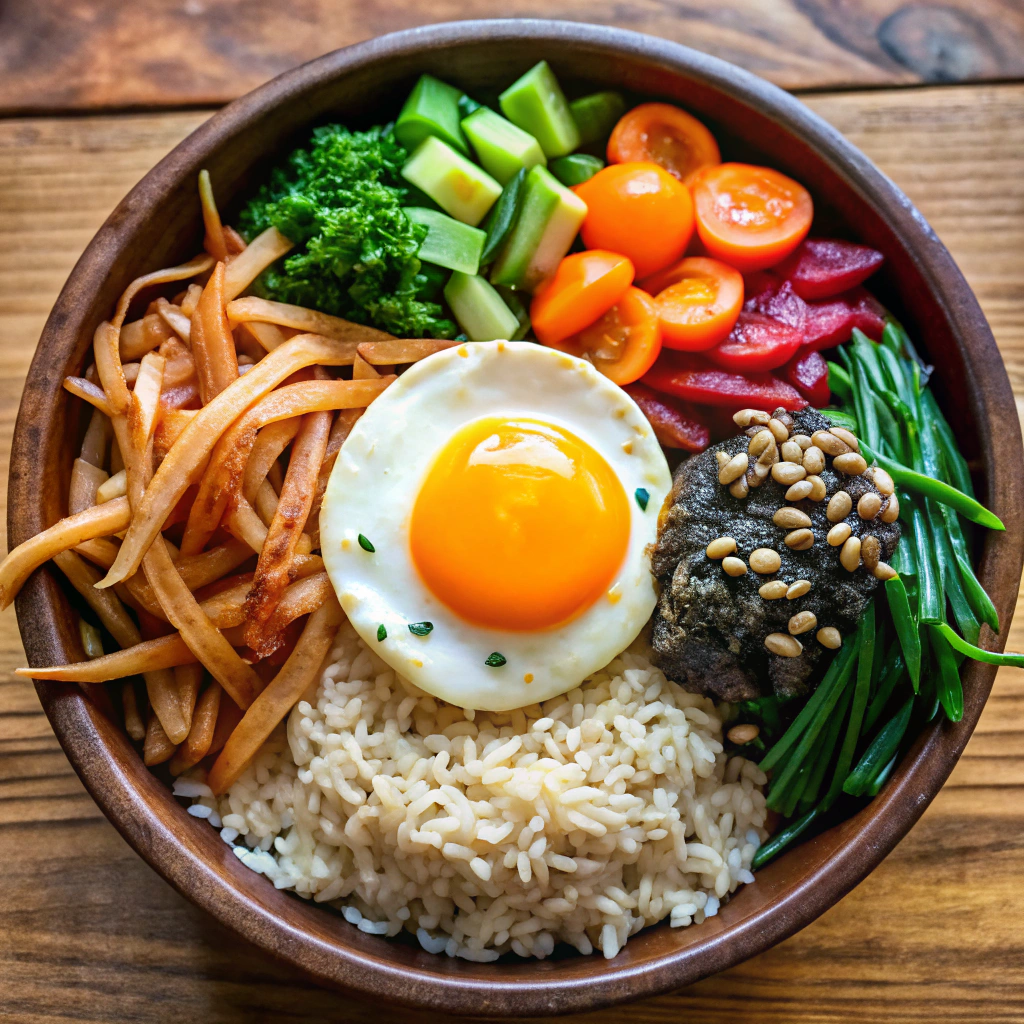
Are you ready to transform your mealtime with a vibrant explosion of flavor? Dive into the world of Classic Bibimbap with Brown Rice, a dish that combines tradition with modern healthy twists. This recipe not only serves up a nutritious Korean food experience but also offers a quick brown rice recipe that fulfills your desire for an easy bibimbap meal. Prepare to discover why this classic is a must-try!
Ingredients List
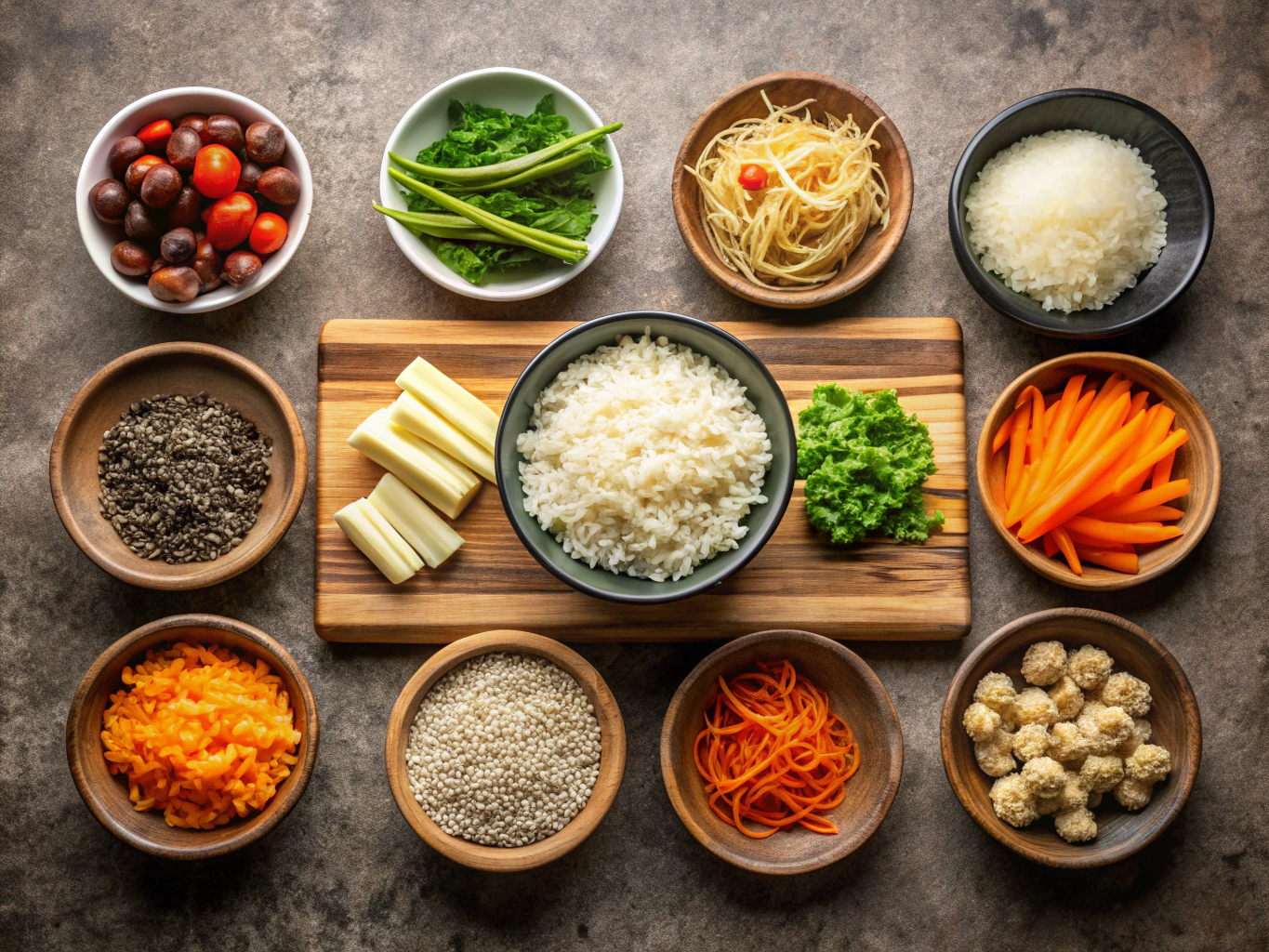
Below is the ingredient list for Classic Bibimbap with Brown Rice. Each component is carefully chosen for texture and taste, bringing a vibrant mix of flavors to your bowl. The ingredients include golden roasted garlic, freshly cracked black pepper, and crisp mixed vegetables, creating an irresistibly fragrant dish.
- 1 cup of cooked brown rice for a hearty base
- 2 cups of assorted vegetables (spinach, carrots, zucchini) with bright, natural colors
- 1 egg, lightly fried to a perfect runny consistency
- 4 garlic cloves, minced for aromatic depth
- 2 tablespoons of sesame oil for a rich nutty flavor
- 1 tablespoon of soy sauce to heighten savory notes
- Optional: A handful of bean sprouts for extra crunch
This list not only accentuates the timeless appeal of a Healthy Bibimbap Recipe but also invites variations that can easily transform it into a versatile, easy bibimbap meal according to your taste preferences.
Timing
Preparation Time: Spend about 15 minutes washing, chopping, and marinating your vegetables along with stirring your aromatics. The precise slicing ensures each bite bursts with flavor and texture.
Cooking Time: Allocate 20 minutes for cooking, including lightly sautéing your ingredients, assembling the bowl, and frying an egg to perfection, keeping active cooking under control.
Total Time: In just 35 minutes, this recipe competes with fast yet nutritious options, making it perfect for those who appreciate a delicious bibimbap idea without sacrificing quality.
How to Make It (Step-by-Step)
Step 1
Start by heating a pan with a drizzle of sesame oil over medium heat. Toss in minced garlic until it bubbles and releases an inviting aroma. Meanwhile, prepare your brown rice by fluffing it with a fork and setting it aside. For enhanced flavor when cooking protein, consider lightly searing your vegetables; this pro tip ensures a crisp texture and rich taste for your Classic Bibimbap with Brown Rice.
Step 2
Next, gently sauté the assortment of vegetables, adding soy sauce and a pinch of black pepper. Stir continuously for about 5 minutes until the vibrant colors begin to soften but still retain a slight crunch. This balanced sautéing helps maintain both nutrition and texture, making it an ideal step for a Healthy Bibimbap Recipe that appeals to both visual and taste senses.
Step 3
In another skillet, fry an egg until the edges are delicately crispy while the yolk remains lusciously runny. This technique creates a luxurious contrast in your dish. Remember to season lightly with salt and freshly cracked black pepper. As you proceed, carefully blend the flavors for a perfect Easy Bibimbap Meal that showcases both tradition and contemporary culinary creativity.
Step 4
Finally, assemble your dish by layering the warm brown rice on a broad bowl. Neatly arrange the sautéed vegetables and crown it with the perfectly fried egg. Drizzle a little extra sesame oil on top to enhance aroma and finish with a sprinkle of bean sprouts. This final touch brings together all elements, creating a visually appealing and nutritious bowl of Classic Bibimbap with Brown Rice.
7 Recipe Ideas to Try
Recipe 1
Experiment with a spicy twist by adding gochujang to the mix. This version of Classic Bibimbap introduces a pleasantly fiery element, balancing the nutty flavors of brown rice with the heat of Korean chili paste. It’s an adventurous spin on a traditional dish while still being a Healthy Bibimbap Recipe for those who seek delicious bibimbap ideas.
Recipe 2
Try a vegetarian variation by incorporating marinated tofu instead of egg for a protein-packed alternative. The tofu absorbs a tangy marinade, offering a unique flavor profile that contrasts wonderfully with the fresh vegetables. This adaptation is perfect for any easy bibimbap meal that caters to a plant-based diet.
Recipe 3
Create a seafood-inspired bibimbap by gently sautéing mixed shrimp with garlic and ginger. The shrimp bring a delicate sweetness that pairs seamlessly with the earthy brown rice and crunchy vegetables. It’s a delightful variation offering a balanced fusion of flavors and a nutritious twist on classic Korean food.
Recipe 4
For a seasonal flair, incorporate roasted seasonal vegetables such as butternut squash and Brussels sprouts. These elements add a natural sweetness and hearty texture to the dish. This innovative spin on Classic Bibimbap gently marries robust flavors with the nutritious benefits of brown rice, making it a standout choice for fall-inspired meals.
Recipe 5
Introduce a zesty element by tossing in a handful of pickled radishes alongside cucumbers. The acidity from the pickles heightens the taste profile, complimenting the warm, nutty undertones of the rice. This creative variation offers a burst of flavor and is an appealing easy bibimbap meal for those looking for quick yet delicious bibimbap ideas.
Recipe 6
Elevate your dish by adding thin slices of lean beef marinated in soy and garlic. The beef contributes satisfying chewiness and an umami punch, lending a gourmet touch to your Healthy Bibimbap Recipe. Paired with crisp vegetables and soft rice, this version redefines the realms of classic Korean cuisine with a modern twist.
Recipe 7
For an ultimate fusion, blend in a handful of microgreens and a dash of citrus zest to energize the dish. This creative take refreshes the traditional bowl with a tangy brightness, enhancing the complex layers of flavor in your Classic Bibimbap. It’s a smart, nutrient-packed option for anyone seeking a quick brown rice recipe that surprises and satisfies.
Nutritional Information
- Calories: Approximately 400-450 calories per serving, offering a balanced energy boost.
- Protein: Derived from eggs, lean beef or tofu, ensuring muscle support.
- Carbohydrates: Brown rice provides complex, slow-release carbs and fiber.
- Fat: Healthy fats from sesame oil enhance flavor and aid nutrient absorption.
- Fiber: A blend of vegetables delivers essential fiber for digestive health.
This nutritional profile highlights how Classic Bibimbap with Brown Rice is perfect for those seeking a mindful meal that laces nutrients with the subtle satisfaction of mixed textures and flavors. It reinforces the significance of balancing protein, carbs, and healthy fats within a single, beautifully assembled dish.
Why This Recipe Is a Healthy Choice?
Classic Bibimbap with Brown Rice is celebrated for its brilliant combination of lean proteins, complex carbohydrates, and heart-healthy fats. It embraces whole-grain goodness and vibrant vegetables, ensuring each serving delivers essential nutrients for energy. This dish resonates with mindful eating trends and provides a balanced meal for breakfast, lunch, or dinner, making it an inspiring choice for living a healthier lifestyle.
Serving Suggestions
Enhance your dining experience by serving this bibimbap in a deep bowl, garnished with sesame seeds, a few slices of avocado, and a drizzle of extra sesame oil. Pair it with a light, crisp salad or a chilled miso soup to complete your meal. These serving tips elevate Classic Bibimbap with Brown Rice to an elegant yet functional dish, perfect for both casual and festive occasions.
Common Mistakes to Avoid
- Overcooking the vegetables, which results in loss of crunch and color.
- Under-seasoning the ingredients or omitting resting/marinating time, reducing flavor impact.
- Poor layering of components that hinders the harmonious mix required for a balanced dish.
Storing Tips for the Recipe
To extend the life of this nutritious dish, store leftover Classic Bibimbap with Brown Rice in an airtight container in the fridge for up to 3–4 days. For longer preservation, freeze the rice and vegetable components separately. When ready to enjoy, reheat gradually on low heat to maintain texture and flavor without losing essential nutrients. This method equally supports meal prepping.
Conclusion
Embrace the delightful, satisfying journey of creating a bowl of Classic Bibimbap with Brown Rice. This recipe marries the essence of traditional Korean cooking with modern nutritional needs, providing a balanced and exciting meal that can be personalized to your taste. Experiment, share your unique twists, and let each bite inspire you to explore more Delicious Bibimbap Ideas that fuel your wellness journey.
FAQs
Can I replace one of the ingredients?
Yes, you can easily substitute ingredients to suit dietary needs or flavor preferences. For example, swap tofu for beef, use other leafy greens instead of spinach, or add your favorite vegetable for variety. Flexibility in substitutions makes this Healthy Bibimbap Recipe suitable for diverse tastes while maintaining its nutritious essence.
How long can I store this?
You can store the Classic Bibimbap with Brown Rice in the fridge for 3–4 days. If you prefer to keep it longer, freeze the separate components for 2–3 months. When reheating, carefully warm each part to retain texture and flavor, ensuring the dish remains a nourishing Easy Bibimbap Meal.
Can I prep it ahead of time?
Absolutely. Many components like the brown rice, marinated vegetables, and even seasoned protein can be prepped in advance. This helps you save time during busy weekdays, and you can simply assemble at mealtime for a rapid yet fulfilling serving of Nutritious Korean Food that nourishes both body and soul.