
Introduction
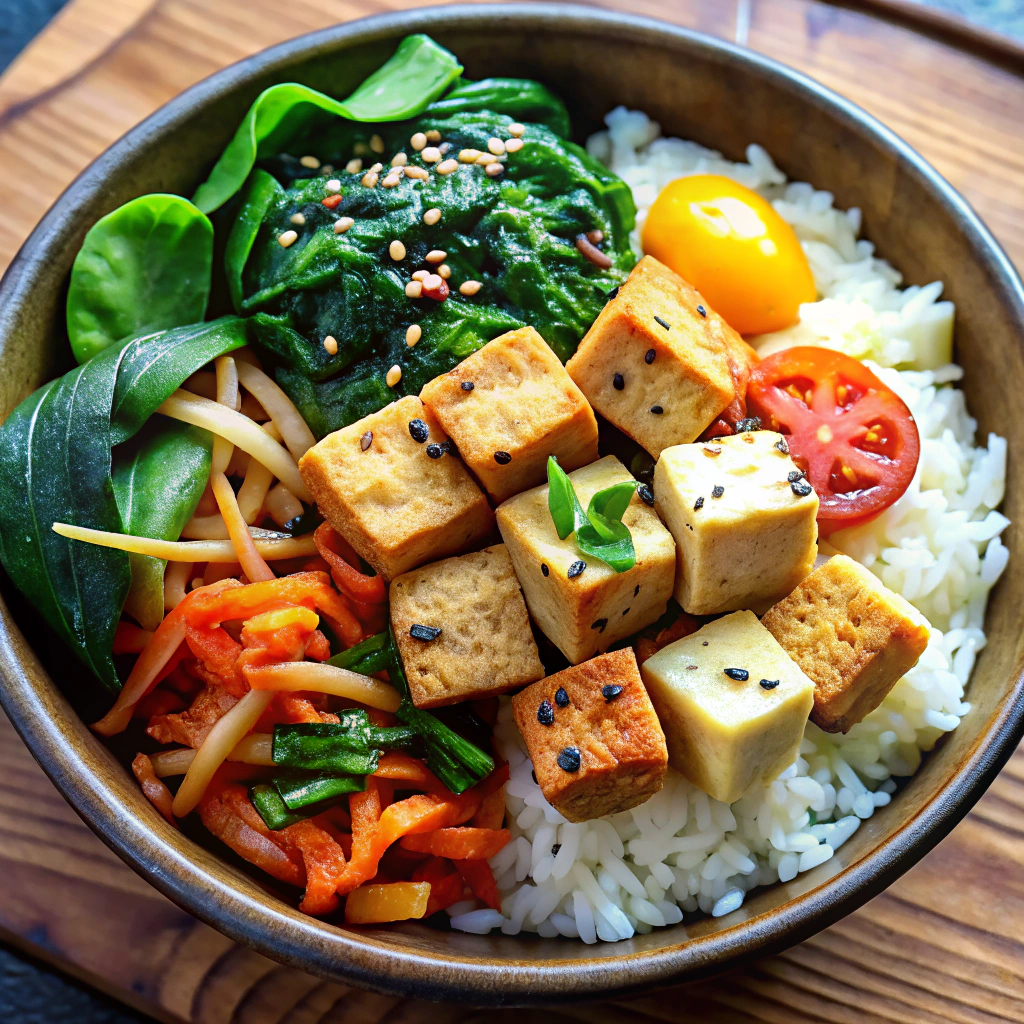
Are you ready to embark on a culinary adventure with Tofu & Spinach Bibimbap that tantalizes your taste buds and delivers a punch of nutrition in every bite? This versatile meal bowl is a celebration of vibrant colors, textures, and flavors. Experience how Tofu & Spinach Bibimbap becomes the ultimate quick tofu meal, merging the best of healthy bibimbap recipes and the spirit of vegetarian Korean food.
Ingredients List
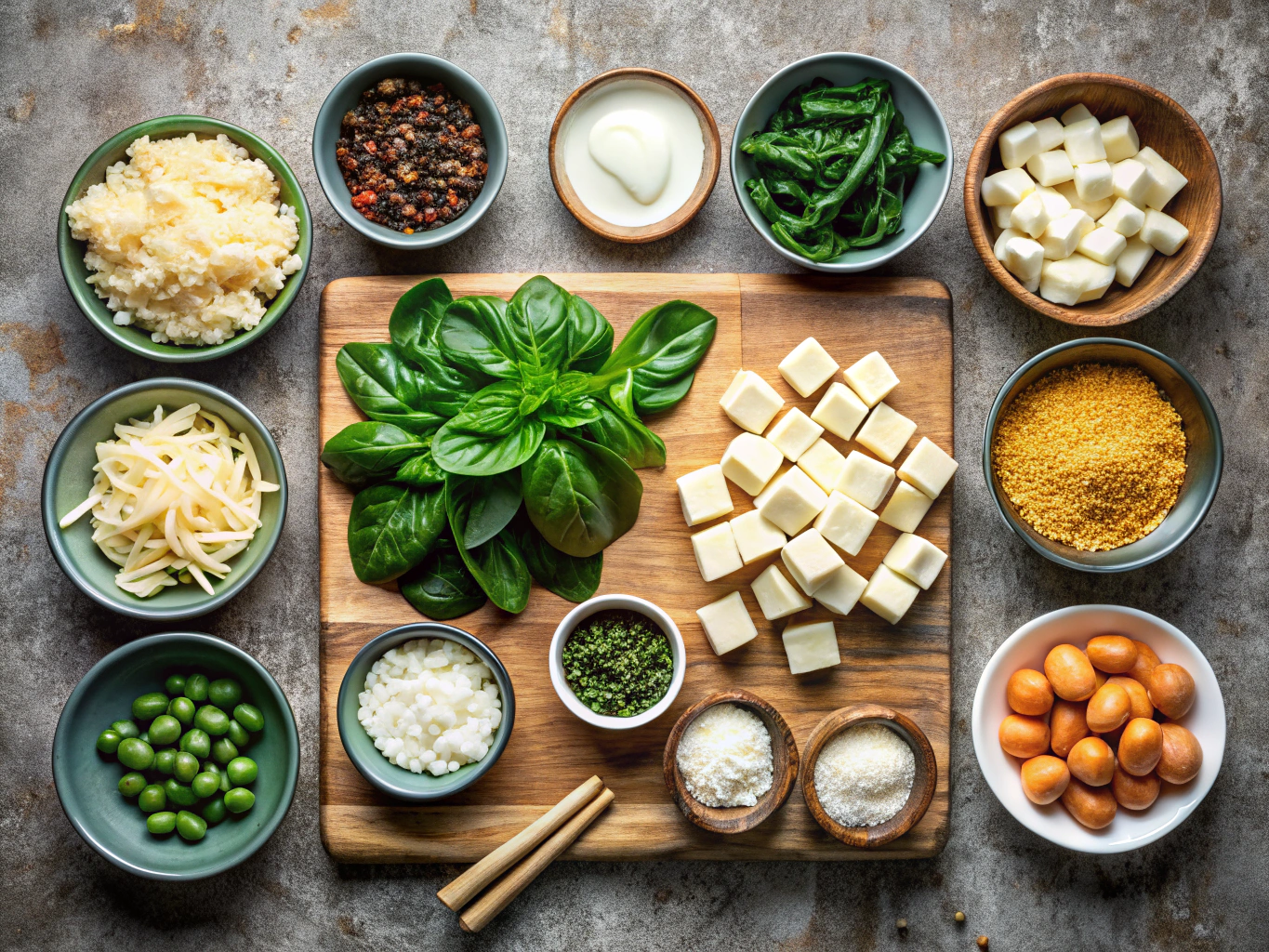
Below is the ingredient list for Tofu & Spinach Bibimbap. You will need a mix of diverse components to create a dish that harmonizes taste and nutrition. This includes golden roasted garlic, freshly cracked black pepper, marinated tofu, crisp spinach, vibrant carrots, tangy kimchi, a drizzle of sesame oil, toasted sesame seeds, and a touch of soy sauce. For flexibility, consider swapping crisp radishes or adding a sprinkle of chili flakes.
Timing
Preparation Time: Approximately 20 minutes. This includes slicing vegetables, marinating the tofu, and preparing the aromatic condiments.
Cooking Time: Around 15 minutes of active cooking followed by 5 minutes of resting time, ensuring all flavors meld perfectly.
Total Time: About 40 minutes from start to finish, making this recipe one of the most efficient and delicious healthy bibimbap recipes available.
How to Make It (Step-by-Step)
Step 1
Begin by preparing the tofu: drain, press, and cut it into bite-sized cubes. Sauté the tofu in a non-stick pan with a drizzle of sesame oil over medium-high heat until each piece turns golden and crispy. Add a pinch of freshly cracked black pepper and a splash of soy sauce for enhanced flavor. For a crunchier texture, allow the tofu to sear undisturbed for a few minutes before flipping.
Step 2
Prepare the spinach and vegetables while the tofu cooks. Gently blanch the fresh spinach in boiling water for 1-2 minutes, then shock it in ice water to retain its vibrant green color. Julienne carrots and thinly slice radishes if using. Toss these vegetables with a splash of sesame oil and a light sprinkle of sea salt, ensuring they remain crisp and full of flavor, ideal for an easy bibimbap bowl.
Step 3
In a separate pan, warm up kimchi with a hint of garlic until its aroma intensifies and the flavors meld together. Stir frequently to avoid burning and let the mixture simmer on low heat. This step brings a mildly tangy heat that perfectly complements the savory tofu. Remember, controlled simmering allows the dish to remain balanced and true to the spirit of healthy bibimbap recipes.
Step 4
Assemble your bibimbap bowl by artfully layering the tofu, spinach, vegetables, and warm kimchi over a bed of steamed rice. Drizzle with a rich, aromatic sauce made from sesame oil, soy sauce, and a squeeze of lime. Garnish with toasted sesame seeds and sliced green onions for an extra burst of flavor and visual appeal. Enjoy the medley of textures and tastes in every vibrant, nutritious bite.
7 Recipe Ideas to Try
Recipe 1
Elevate your bibimbap bowl by adding a spicy element with gochujang sauce. This variation lends a robust, fiery twist to the mellow tofu and crisp spinach. Enhance it by mixing in sweet potato noodles and a hint of ginger. This recipe brings a fresh spin to easy bibimbap bowl ideas and highlights the versatility of vegetarian Korean food.
Recipe 2
Try a vegan twist by incorporating grilled eggplant slices and edamame beans into your bibimbap bowl. The smokey flavor of the eggplant perfectly contrasts with the tangy kimchi. This version is an exemplary representation of wholesome, nutritious bibimbap, offering a hearty and flavorful variation for those who love quick tofu meals and healthy bibimbap recipes.
Recipe 3
For a refreshing summer-ish recipe, add crisp cucumber, shredded red cabbage, and a sprinkle of radish sprouts. Finish the dish with a drizzle of a light citrus dressing. This combination not only maintains the integrity of traditional Korean flavors but also presents a cooler, more refreshing take on Tofu & Spinach Bibimbap that is both nutritious bibimbap and a quick tofu meal for hot days.
Recipe 4
Infuse your tofu bowl with an extra protein boost by incorporating edamame and toasted pine nuts. Enhance the dish with a mild miso glaze over the tofu, adding depth and umami to the overall flavor profile. This recipe lends a creative twist to easy bibimbap bowl ideas while maintaining the dish’s emphasis on healthy, flavorful tofu recipes and vegetarian Korean food inspirations.
Recipe 5
Create a fusion version by mixing in a small portion of quinoa or farro instead of traditional rice. The nutty flavor of whole grains perfectly complements the creamy tofu and silky spinach. This innovative take on Tofu & Spinach Bibimbap highlights the potential for changing up ingredients while still delivering on the promises of nutritious bibimbap and quick tofu meals.
Recipe 6
Try incorporating roasted bell peppers and zucchini into your bibimbap for a burst of smoky, charred flavors. The vegetables bring a tender bite and enhanced aroma that pairs beautifully with the sautéed tofu. This variation not only delivers a spectrum of textures and tastes but also emphasizes the delightful fusion within healthy bibimbap recipes and quick tofu meals.
Recipe 7
For a creative and visually appealing presentation, top your bibimbap bowl with a soft poached egg or a sprinkle of crumbled feta cheese for a non-traditional twist. The creamy addition enriches the flavor profile while maintaining the meal’s nutritious and balanced outlook. This final variation perfectly embodies the essence of flavorful tofu recipes paired with a modern approach to vegetarian Korean food.
Nutritional Information
- Calories: Approximately 400-450 calories per serving, based on a standard bowl size.
- Protein: Rich protein content from tofu and edamame, essential for muscle repair.
- Carbohydrates: Good balance from steamed rice, vegetables, and optional quinoa for slow-release energy.
- Fat: Healthy fats from sesame oil and toasted sesame seeds that support overall wellness.
- Fiber: High fiber levels from spinach, carrots, and fresh vegetables aid in digestion.
This nutrient-packed dish highlights the best attributes of Tofu Spinach Bibimbap, ensuring you enjoy lean protein, complex carbohydrates, and healthy fats, making it a standout choice among healthy bibimbap recipes for those seeking a mindful, quick tofu meal.
Why This Recipe Is a Healthy Choice?
Tofu & Spinach Bibimbap is a balanced dish that combines the power of plant-based protein with wholesome vegetables and vibrant spices. This meal supports wellness by supplying essential vitamins, minerals, and antioxidants. Its low-calorie yet satisfying nature makes it a go-to option for health aficionados, seamlessly bridging the gap between tasty, nutritious bibimbap and mindful, vegetarian Korean food.
Serving Suggestions
Serve your Tofu & Spinach Bibimbap in a deep, wide bowl for an elegant presentation that invites family and friends to gather around. Enhance the dish by adding a colorful garnish of shredded carrots, fresh herbs, or sliced avocado. Pair it with a light, iced green tea or a sparkling citrus beverage. These creative serving suggestions make your meal not only a quick tofu meal but also a centerpiece for any occasion.
Common Mistakes to Avoid
- Overcooking the tofu, which can result in a rubbery texture.
- Skipping the resting or marinating time, leading to a less flavorful dish.
- Poor layering of ingredients, resulting in a muddled flavor profile and uneven distribution of textures.
Storing Tips for the Recipe
Store leftover Tofu & Spinach Bibimbap in an airtight container in the fridge for up to 3-4 days. For longer preservation, freeze individual portions to enjoy within 2-3 months. When reheating, opt for a gentle microwave or stovetop warming to retain moisture and flavor. These storage tips ensure that your healthy bibimbap recipes remain as delightful as when freshly made.
Conclusion
Embrace the delicious and nutritious world of Tofu & Spinach Bibimbap by trying this versatile recipe. Experiment with the different recipe ideas and adjust the flavors to suit your taste. This dish not only offers a burst of flavor with every layer but also supports your wellness journey with a balanced mix of proteins, carbs, and healthy fats. Dive in and share your creative twists!
FAQs
Can I replace one of the ingredients?
Yes, you can substitute ingredients based on dietary needs or personal preferences. For example, swap tofu with tempeh or use kale instead of spinach. Experiment with alternative vegetables to create your signature version of this Tofu & Spinach Bibimbap without compromising on taste or nutrition.
How long can I store this?
You can store Tofu & Spinach Bibimbap for 3–4 days in the refrigerator. Alternatively, for longer preservation, freeze individual portions for 2–3 months. Always store in an airtight container to maintain freshness and flavor.
Can I prep it ahead of time?
Absolutely. Many components, such as marinating tofu, blanching spinach, or slicing vegetables, can be prepped ahead of time. Storing these in separate containers allows for a quick assembly when you’re ready to enjoy your delicious bibimbap bowl, making it a convenient option for busy days and enhancing the overall experience.