
Introduction
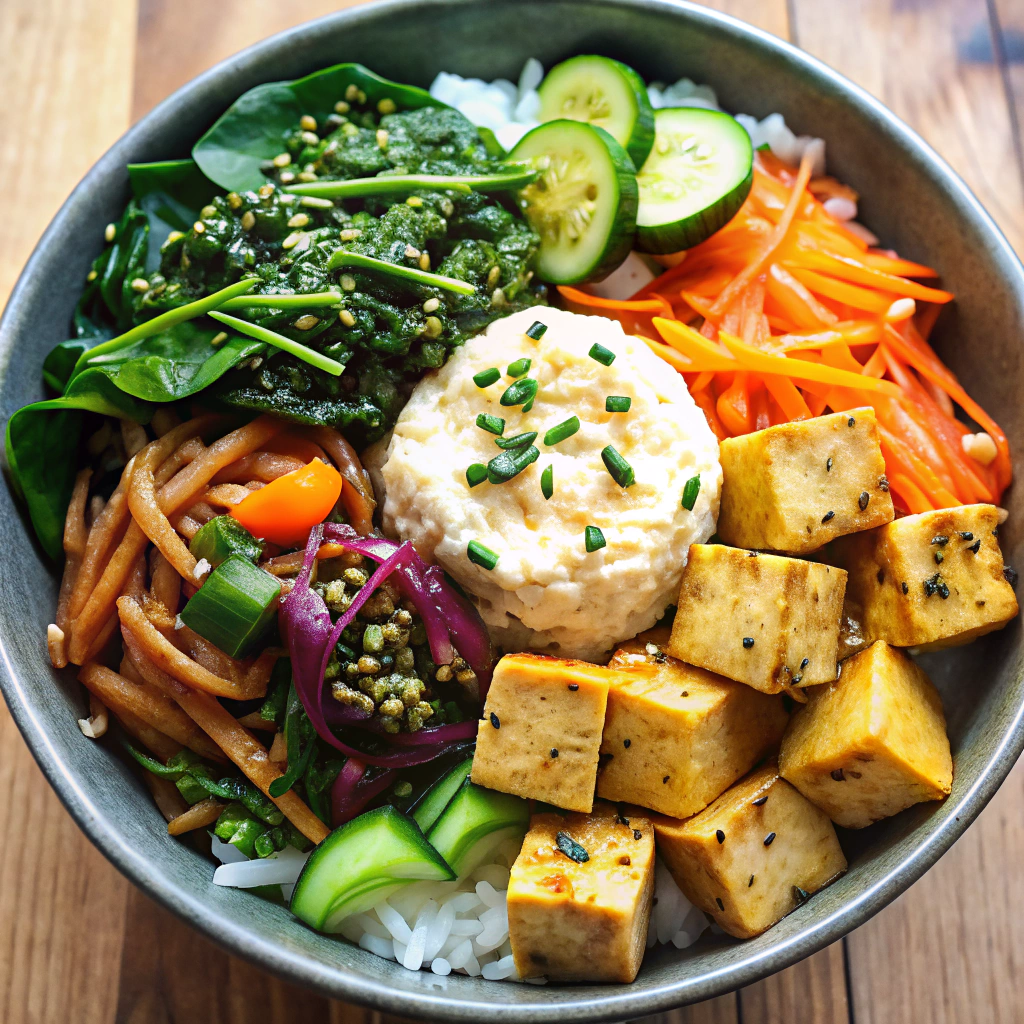
Are you ready to experience a burst of vibrant flavors with this exceptional Tofu and Spinach Bibimbap? This nutritious Korean creation blends the richness of tofu with the freshness of spinach, resulting in a meal that is both hearty and invigorating. Imagine a Vegetarian Bibimbap Bowl enriched with healthy ingredients that support mindful eating. Let this easy bibimbap meal inspire your next dinner adventure, as Tofu and Spinach Bibimbap promises a unique, tasty twist on healthy bibimbap recipes.
Ingredients List
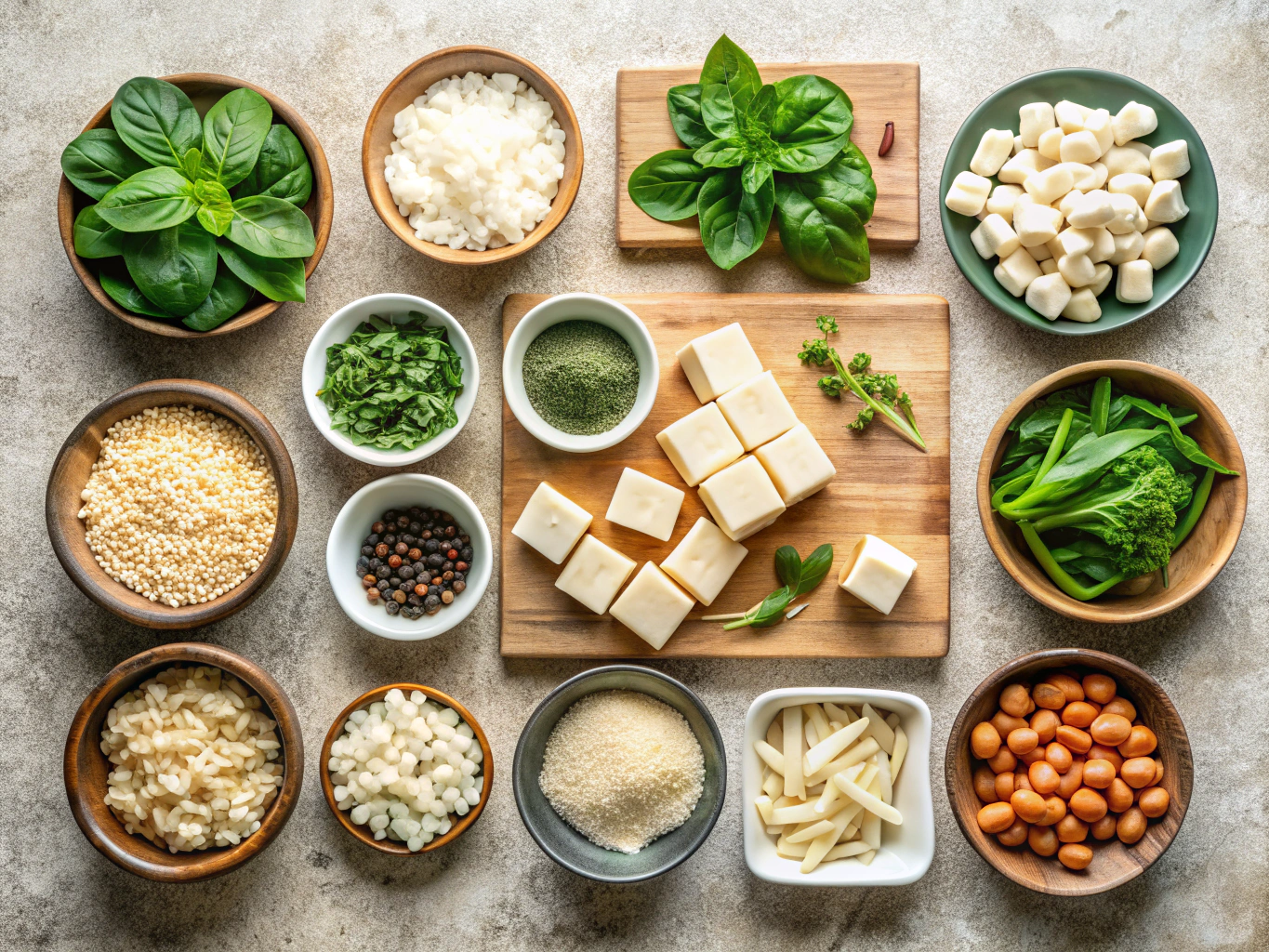
Below is the ingredient list for Tofu and Spinach Bibimbap. Each component is chosen for its robust flavor and nutritional punch. Expect golden roasted garlic, freshly cracked black pepper, tender tofu cubes, crisp spinach, vibrant carrots, sweet red bell pepper, nutty sesame seeds, tangy gochujang sauce, aromatic spring onions, and a splash of toasted sesame oil. Optional kimchi can add an extra zing if you like.
- Extra firm tofu, pressed and cubed
- Fresh spinach leaves, lightly sautéed
- Shredded carrots with natural sweetness
- Crisp red bell pepper strips
- Golden roasted garlic for depth
- Freshly cracked black pepper for a kick
- Nutty sesame seeds sprinkled on top
- Gochujang sauce to boost heat and umami
- Optional kimchi for an extra fermented tang
This ingredient ensemble elevates Tofu Spinach Bibimbap to a dish that is not only healthy but also bursting with texture and layers of taste, making it one of the best easy bibimbap meals out there.
Timing
Preparation Time: Approximately 20 minutes for washing, chopping, and marinating the tofu and vegetables, ensuring every ingredient is perfectly primed for flavor absorption.
Cooking Time: About 25 minutes of sautéing and assembly time. This includes quick stir-fries and a careful final warm-up to integrate all the components evenly.
Total Time: Roughly 45 minutes from start to finish, making it an efficient yet gourmet option compared to other Healthy Bibimbap Recipes that often require lengthy marination and cooking processes.
How to Make It (Step-by-Step)
Step 1
Begin by preparing the tofu and vegetables. Pat the tofu dry and slice into even cubes, then lightly coat with a pinch of salt and freshly cracked black pepper. Sauté the tofu in a hot pan using a drizzle of toasted sesame oil until the cubes turn a warm, golden hue. Simultaneously, blanch the spinach until just wilted. Pro tip: Ensure your pan is not overcrowded to achieve a nice sear for your tofu.
Step 2
Next, prepare your aromatic base. Finely chop garlic and spring onions, then add them to a hot pan with a splash of oil. Sauté until the garlic turns lightly golden and the spring onions soften, releasing an enticing aroma. Add shredded carrots and red bell pepper strips for a quick stir-fry. Pro tip: A brief sauté helps to maintain the vegetables’ crunch while enhancing their natural sweetness, ideal for a Healthy Bibimbap Recipe.
Step 3
Now, mix the essential elements. Combine the sautéed tofu with the vibrant vegetables, and drizzle in the gochujang sauce, stirring gently to ensure the sauce evenly coats every ingredient. The mix should display a gorgeous interplay of colors and textures that define this easy bibimbap meal. Pro tip: Taste and adjust seasoning as needed to balance the spicy, savory, and sweet notes inherent in Tofu Dinner Ideas.
Step 4
Finally, assemble your dish. Lay a bed of steamed rice or your favorite grain at the bottom of a large bowl. Top with the tofu and vegetable mix, ensuring an even layer of each component. Sprinkle with nutty sesame seeds and extra spring onions for a final flourish. Pro tip: For a true Spinach Bibimbap Recipe, serve warm immediately for the best textures and flavors.
7 Recipe Ideas to Try
Recipe 1
For a sweet and tangy twist, try adding a drizzle of honey and a splash of rice vinegar to your tofu and vegetable mix. The slight sweetness complements the spicy gochujang, creating a balance rarely seen in traditional bibimbap. This variation makes a delicious and creative spin on Tofu and Spinach Bibimbap, perfect for those exploring innovative Healthy Bibimbap Recipes.
Recipe 2
Experiment with a crunchy element by introducing lightly toasted walnuts or almonds into the mix. The nutty crunch adds an extra layer of texture that pairs wonderfully with soft tofu and wilted spinach. This easy bibimbap meal variation is visually stunning and lends new life to classic Vegetarian Bibimbap Bowls with its delightful surprise.
Recipe 3
Create a refreshing version by swapping some of the sautéed vegetables with sliced cucumber and radish. Their cool, crisp nature contrasts beautifully with the warm tofu and savory sauce. This inventive take on Tofu and Spinach Bibimbap is ideal for hot summer days while preserving all the nutritional benefits of traditional Nutritious Korean Recipes.
Recipe 4
Elevate the dish with a fusion twist by adding avocado slices on top. The creamy texture of avocado introduces a rich, buttery flavor that enhances the overall experience. Ideal for a Tofu Dinner Ideas twist, this variation stays true to the heart of the recipe while providing a modern update that fuses healthy fats with vibrant vegetables.
Recipe 5
Integrate a hint of smokiness by incorporating grilled eggplant or zucchini. The charred notes bring out the savory depth of the gochujang and tofu. This recipe variation presents a unique flavor profile that aligns with various Healthy Bibimbap Recipes, offering a delightful alternative for those looking to experiment with seasonal produce while maintaining the core essence of a Spinach Bibimbap Recipe.
Recipe 6
Add a burst of citrus by finishing your dish with a squeeze of lime or lemon juice. The acidity uplifts the flavors and balances the richness of the tofu and sesame oil. This creative twist is a wonderful take on an Easy Bibimbap Meal, providing a refreshing, tangy finish that complements the earthy tones of the vegetables and the spice of the gochujang.
Recipe 7
For an extra protein punch, toss in a handful of edamame or steamed peas with the tofu and spinach. This upgrade not only boosts the nutritional profile but also enhances the texture with delightful little bites. It transforms Tofu and Spinach Bibimbap into an even more satisfying and healthy meal, perfect for those seeking dynamic variations among Vegetarian Bibimbap Bowls.
Nutritional Information
- Calories: Approximately 450 calories per serving, offering a balanced mix of energy and nutrients.
- Protein: Derived from tofu and edamame, pivotal for muscle repair and growth.
- Carbohydrates: Supplied by rice and vegetables, providing slow-digesting energy and essential fibers.
- Fat: Healthy fats from sesame oil and avocado contribute to heart health.
- Fiber: Naturally occurring in spinach, carrots, and other vegetables, aiding digestion.
This dish is a nutritional powerhouse, combining essential vitamins, minerals, and antioxidants with lean proteins and heart-healthy fats. It is perfect for those committed to making healthy bibimbap recipes that support overall wellness while delivering an unforgettable culinary experience with every bite.
Why This Recipe Is a Healthy Choice?
This Tofu and Spinach Bibimbap recipe is a well-balanced meal that integrates lean protein from tofu and a robust mix of nutrient-dense vegetables. The dish is low in unhealthy fats while providing complex carbohydrates and plenty of fiber, making it an ideal choice for those seeking Nutritious Korean Recipes. It supports a healthy lifestyle and is designed to please both vegetarians and those looking to explore new Tofu Dinner Ideas.
Serving Suggestions
Serve your Tofu and Spinach Bibimbap in a deep, broad bowl to allow for vibrant presentation. Pair it with a simple miso soup or a side of kimchi to enhance the Korean culinary experience. Garnish with extra spring onions and a sprinkle of toasted sesame seeds. This dish works beautifully as a family dinner option or an elegant meal for casual entertaining, elevating your collection of Easy Bibimbap Meals.
Common Mistakes to Avoid
- Overcooking the tofu or vegetables, which may result in a mushy texture.
- Under-seasoning the dish, leading to a lack of flavor depth.
- Skipping the resting or marinating time, crucial for flavor absorption.
Storing Tips for the Recipe
Store any leftovers in an airtight container in the refrigerator for up to 3–4 days. When reheating, do so gently in a pan on medium heat or in a microwave, stirring occasionally to maintain the texture. This dish also freezes well for 2–3 months, making it a convenient make-ahead meal option for busy weeks. Reheat thoroughly for optimal taste and texture.
Conclusion
Embrace this Tofu and Spinach Bibimbap as a go-to meal that both tantalizes taste buds and nourishes your body. With its harmonious blend of flavors and vibrant ingredients, it stands out among Healthy Bibimbap Recipes. Enjoy the versatility, share your creative twists, and let this dish inspire your culinary journey. Give it a try today and transform your dinner table into a hub of nutritious and delightful Korean flavors.
FAQs
Can I replace one of the ingredients?
Yes, you can experiment with alternatives such as using tempeh instead of tofu or swapping spinach with kale, depending on your taste preferences and dietary needs. These substitutions can still yield a delicious, healthy bibimbap experience.
How long can I store this?
You can store Tofu and Spinach Bibimbap for 3–4 days in an airtight container in the fridge, ensuring freshness. For longer storage, freeze the dish for 2–3 months, and reheat gently to maintain the dish’s texture and flavor integrity.
Can I prep it ahead of time?
Absolutely! Prepare components like the sautéed vegetables, marinated tofu, and even the rice in advance. Store them separately in the fridge and assemble quickly before serving, making this Tofu and Spinach Bibimbap a perfect choice for busy days when you crave a delicious, nutritious meal.