

Introduction
Smoking is one of the most thoroughly studied causes of preventable disease and early death worldwide. Yet many people still underestimate how deeply it harms the body and how early those effects begin. Understanding exactly how smoking damages your body over time can help you make informed choices, recognize symptoms sooner, and take realistic steps toward quitting.
Tobacco smoke contains thousands of chemicals, including nicotine, tar, carbon monoxide, heavy metals, and dozens of known carcinogens. These substances do not just affect the lungs; they enter the bloodstream and travel to every organ, triggering chronic inflammation, damaging blood vessels, and altering DNA. Over the years, this ongoing injury leads to conditions such as heart disease, stroke, chronic obstructive pulmonary disease (COPD), and multiple types of cancer.
The damage from smoking builds gradually, often without obvious symptoms at first. However, the body also has a remarkable capacity to heal when smoking stops. By learning how smoking harms different systems and what you can do to protect yourself, you can take practical steps toward a longer, healthier life.
Causes
When people ask how smoking damages your body, the true “cause” is not just nicotine, but the complex mixture of chemicals in tobacco smoke and their effects on cells, blood vessels, and organs. Each puff delivers a rapid dose of toxins that accumulate over time.
The toxic cocktail in cigarette smoke
- Nicotine: The addictive component that stimulates the nervous system, increases heart rate and blood pressure, and reinforces the urge to keep smoking.
- Tar: A sticky residue that coats the airways and carries many carcinogens, contributing to chronic bronchitis and lung cancer.
- Carbon monoxide (CO): A gas that binds to hemoglobin in red blood cells more strongly than oxygen, reducing the amount of oxygen that tissues receive.
- Oxidants and free radicals: Highly reactive molecules that damage cell membranes, proteins, and DNA, driving inflammation and aging.
- Heavy metals and chemicals: Substances such as arsenic, cadmium, formaldehyde, and benzene that are toxic and carcinogenic.
Chronic inflammation and oxidative stress
The chemicals in smoke irritate and inflame the lining of the airways and blood vessels. Over time, this triggers chronic inflammation, a low-grade but ongoing immune response that contributes to atherosclerosis (plaque buildup in arteries), lung damage, and impaired immunity.
Oxidative stress—an imbalance between free radicals and protective antioxidants—further harms tissues. In the lungs, this leads to destruction of the tiny air sacs (alveoli), resulting in emphysema. In blood vessels, oxidative stress damages the delicate inner lining (endothelium), making it easier for cholesterol and inflammatory cells to build plaque.
DNA damage and cancer development
Many components of tobacco smoke can directly damage DNA or interfere with DNA repair mechanisms. Over time, these repeated injuries and errors can accumulate into mutations. If mutations affect genes that control cell growth or death, they can lead to uncontrolled cell division—cancer.
This mechanism explains why smoking is strongly linked to lung cancer as well as cancers of the mouth, throat, esophagus, bladder, pancreas, kidney, cervix, and others. The longer and heavier the smoking history, the higher the risk, but even low levels of exposure can cause DNA damage.
Impaired circulation and clot formation
Nicotine and other compounds in smoke cause blood vessels to constrict, raise blood pressure, and increase heart rate. At the same time, inflammation and oxidative stress make the blood thicker and more likely to clot. These changes greatly raise the risk of heart attack, stroke, and peripheral artery disease.
Symptoms
In the early stages, the ways smoking damages your body may be silent. Many people feel “fine” even though serious changes are already occurring in the lungs, heart, and blood vessels. Over time, a range of symptoms can develop.
Respiratory symptoms
- Persistent cough, often called a “smoker’s cough,” especially in the morning
- Increased mucus or phlegm production
- Shortness of breath with usual activities (climbing stairs, light exercise)
- Wheezing or tightness in the chest
- Frequent respiratory infections such as colds, bronchitis, or pneumonia
Cardiovascular symptoms
- Chest pain or pressure, especially with exertion (possible angina)
- Palpitations or irregular heartbeat
- Cold hands and feet or leg pain when walking (signs of peripheral artery disease)
- Sudden weakness, dizziness, or difficulty speaking (possible warning signs of stroke)
General and systemic symptoms
- Reduced exercise tolerance and fatigue
- Slow wound healing and frequent infections
- Unintentional weight loss or loss of appetite
- Morning headaches (sometimes related to high carbon monoxide levels)
Visible physical changes
- Yellow or stained teeth and fingers
- Bad breath and unpleasant body odor
- Premature skin aging, including wrinkles and dull complexion
- Gum disease, tooth decay, and mouth sores
- Brittle hair and nails
Reproductive and sexual health symptoms
- Reduced fertility in both men and women
- Erectile dysfunction in men due to impaired blood flow
- Menstrual irregularities and earlier menopause in women
- Complications in pregnancy, such as bleeding or high blood pressure
Risk Factors
Not everyone who smokes will develop the same conditions, but certain factors increase how severely and how quickly smoking damages your body. Understanding these can help you assess your personal risk.
Smoking history and intensity
- Duration of smoking: The total number of years you have smoked is one of the strongest predictors of disease.
- Number of cigarettes per day: Heavy smokers (e.g., more than 20 cigarettes per day) have a higher risk than light smokers, but there is no completely “safe” level.
- Pack-years: A common way to measure exposure; calculated as packs per day multiplied by years of smoking (e.g., 1 pack/day for 20 years = 20 pack-years).
- Age at smoking initiation: Starting in childhood or adolescence leads to more years of exposure and greater lifetime risk.
Type of tobacco and methods of use
- Cigarettes, cigars, and pipes all deliver harmful toxins, though patterns of use differ.
- Smokeless tobacco (chew, snuff) does not affect the lungs directly but greatly increases the risk of oral and throat cancers and gum disease.
- Waterpipes (hookah) and some herbal cigarettes can be misleadingly marketed as safer but still expose users to substantial amounts of toxins.
Biological and health-related risk factors
- Family history: A family history of heart disease, stroke, or certain cancers can increase susceptibility.
- Existing health conditions: High blood pressure, high cholesterol, diabetes, and obesity amplify the cardiovascular damage from smoking.
- Respiratory conditions: Asthma or a history of childhood lung disease make smoking-related damage more dangerous and symptomatic.
- Genetic factors: Variations in how the body processes toxins and repairs DNA may influence individual risk, although genetic testing is not routinely used in clinical practice.
Environmental and lifestyle factors
- Secondhand smoke exposure: Increases the risk of heart disease, lung cancer, and respiratory problems in nonsmokers, especially children and pregnant women.
- Air pollution and occupational exposures: Combined with smoking, they can greatly accelerate lung and cardiovascular damage.
- Alcohol use and poor diet: These can further strain the liver, cardiovascular system, and immune system.
- High stress and poor sleep: May make quitting harder and interfere with the body’s ability to recover.
Prevention Strategies
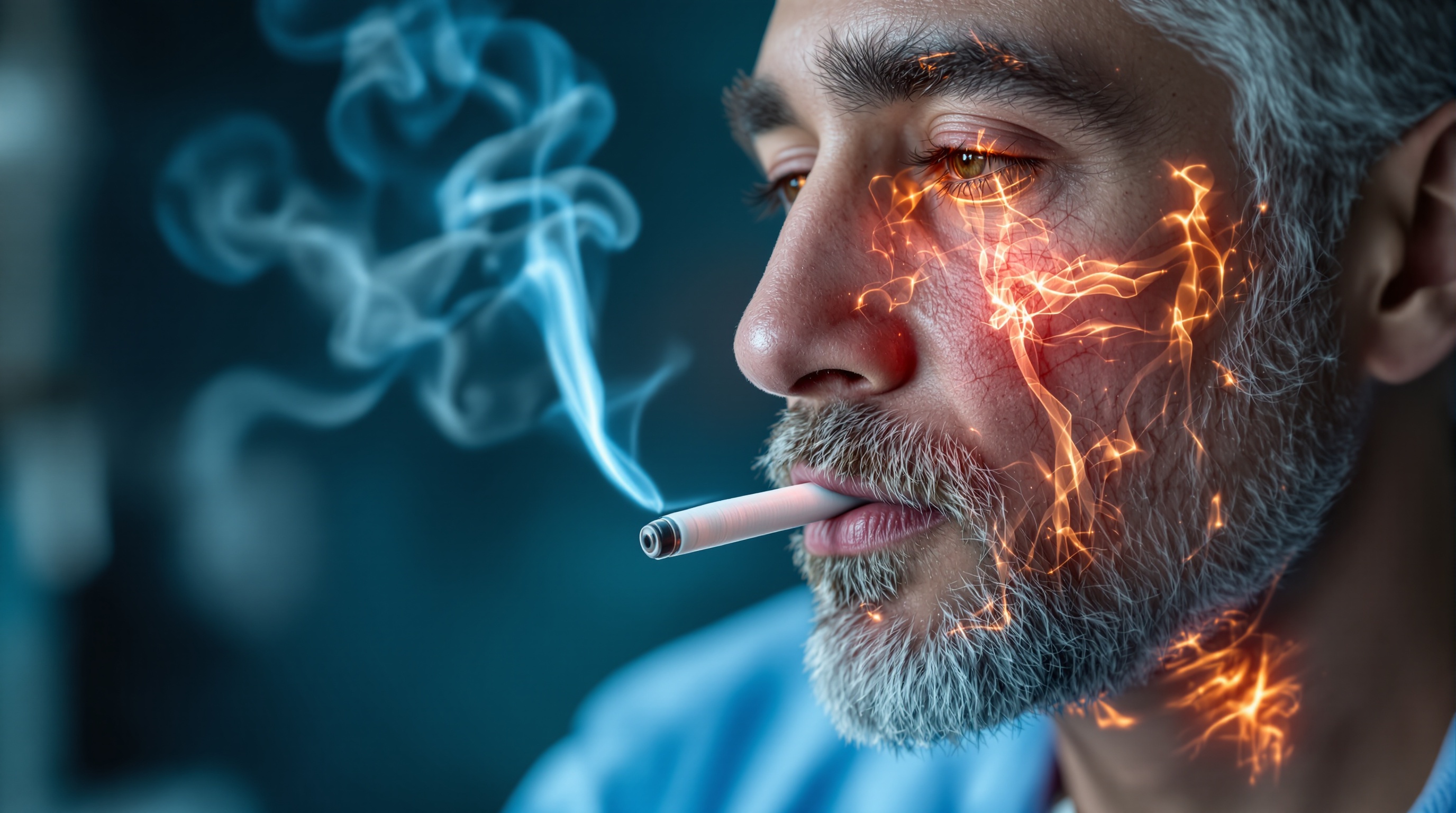
The most effective way to prevent how smoking damages your body is never to start. For current smokers, quitting completely is the single most important step you can take for your health. Prevention involves both personal strategies and community-level support.
Preventing smoking initiation
- Educate children and teens early about the real health effects and addictive nature of nicotine.
- Limit exposure to tobacco advertising and pro-smoking images in media where possible.
- Encourage smoke-free homes and vehicles so children are not exposed to secondhand smoke or see smoking as normal.
- Support school and community programs that teach refusal skills and healthy coping strategies.
Deciding to quit
Recognizing how smoking damages your body over time can be a powerful motivator, but guilt alone usually is not enough. It helps to clarify your personal reasons—such as protecting your family from secondhand smoke, preparing for pregnancy, saving money, or improving stamina—and to set a realistic quit date.
Evidence-based tools for quitting
- Behavioral counseling: Talking with a healthcare professional, counselor, or quitline coach can double your chances of success. They help you understand triggers and develop coping strategies.
- Nicotine replacement therapy (NRT): Patches, gum, lozenges, inhalers, or nasal sprays provide controlled doses of nicotine without the toxic smoke, reducing withdrawal symptoms.
- Prescription medications: Drugs such as varenicline or bupropion can reduce cravings and withdrawal. These must be prescribed and monitored by a healthcare provider.
- Digital tools and support groups: Apps, text programs, and peer groups provide reminders, tracking, and encouragement.
Creating a supportive environment
- Make your home and car completely smoke-free to reduce triggers.
- Tell family, friends, and coworkers about your quit plan and how they can support you.
- Remove cigarettes, lighters, and ashtrays before your quit date.
- Avoid high-risk situations (such as social events where people smoke) in the early weeks.
Relapse prevention
Quitting often takes several attempts. A slip or relapse does not mean failure; it simply provides information about your triggers. Reviewing what happened and adjusting your plan with your healthcare provider can improve future attempts.
Lifestyle Improvements
Stopping smoking is the foundation, but additional lifestyle changes can support your body’s recovery and reduce further harm. These steps will not erase all the damage, but they can improve function, lower disease risk, and enhance your quality of life.
Nutrition to support healing
- Emphasize fruits and vegetables rich in antioxidants (berries, citrus, leafy greens, bell peppers) to help counter oxidative stress.
- Include whole grains, lean proteins, and healthy fats (nuts, seeds, olive oil, fatty fish) for heart and lung health.
- Stay well hydrated to support circulation and mucus clearance from the lungs.
- Limit processed foods, sugary drinks, and excessive salt, which can worsen cardiovascular risk factors.
Physical activity
- Aim for at least 150 minutes of moderate-intensity aerobic activity per week (such as brisk walking or cycling), as tolerated.
- Incorporate strength training 2 or more days per week to preserve muscle and bone health.
- If you have significant lung or heart disease, ask your doctor about pulmonary or cardiac rehabilitation programs, which provide supervised exercise and education.
Sleep and stress management
- Prioritize 7–9 hours of quality sleep each night to support immune function and mood stability.
- Use stress-management techniques such as deep breathing, mindfulness, yoga, or journaling instead of smoking when stressed.
- Consider counseling or therapy if stress, anxiety, or depression make quitting or lifestyle changes difficult.
Regular medical and dental care
- Schedule periodic checkups to monitor blood pressure, cholesterol, and lung function.
- Stay current with vaccinations, including influenza and pneumococcal vaccines, to reduce the risk of respiratory infections.
- Maintain regular dental visits to detect gum disease or early signs of oral cancer.
Long-Term Consequences
The long-term consequences of smoking are the cumulative result of years of exposure to toxic chemicals, chronic inflammation, and reduced oxygen delivery. While not everyone will experience every condition, smoking increases the risk of many serious diseases.
Cardiovascular and circulatory disease
- Coronary artery disease and heart attacks: Plaque builds up in the arteries supplying the heart, which can rupture and form clots.
- Stroke: Blockages or bleeding in the blood vessels of the brain can cause lasting disability or death.
- Peripheral artery disease (PAD): Narrowed arteries in the legs cause pain with walking and can lead to non-healing wounds and, in severe cases, amputation.
- Aneurysms: Weakening of blood vessel walls, especially in the aorta, which can be life-threatening if they rupture.
Chronic lung disease
- Chronic obstructive pulmonary disease (COPD): A progressive condition including chronic bronchitis and emphysema, characterized by persistent cough, sputum, and shortness of breath.
- Reduced lung function: Even without diagnosed COPD, long-term smokers have lower lung capacity and are more prone to respiratory infections.
- Asthma exacerbation: In people with asthma, smoking worsens symptoms and reduces response to treatment.
Cancers associated with smoking
Smoking is a major risk factor for several cancers, including but not limited to:
- Lung cancer (the leading cause of cancer death worldwide)
- Mouth, tongue, and throat (oropharyngeal) cancers
- Laryngeal (voice box) cancer
- Esophageal cancer
- Bladder and kidney cancers
- Pancreatic cancer
- Cervical cancer in women
- Some types of stomach and liver cancers
Reproductive and pregnancy-related consequences
- Reduced fertility in both men and women
- Higher risk of erectile dysfunction in men due to vascular damage
- In pregnancy, increased risk of miscarriage, placental problems, premature birth, low birth weight, and certain birth defects
- Increased risk of sudden infant death syndrome (SIDS) when infants are exposed to tobacco smoke
Other long-term health effects
- Bone and joint problems: Lower bone density, increased risk of osteoporosis and fractures, and slower healing of broken bones.
- Immune dysfunction: Increased susceptibility to infections and possibly slower recovery.
- Vision problems: Higher risk of cataracts and age-related macular degeneration, which can lead to vision loss.
- Gastrointestinal issues: Higher risk of peptic ulcers and some inflammatory conditions.
- Premature aging: Accelerated skin aging and a higher risk of age-related chronic diseases earlier in life.
When to See a Doctor
Whether you currently smoke, used to smoke, or live with someone who smokes, it is important to know when professional medical evaluation is warranted. Early assessment can detect conditions sooner and guide appropriate treatment or screening.
Urgent symptoms that require prompt care
- Sudden chest pain, pressure, or discomfort—especially if it spreads to the arm, jaw, neck, or back
- Shortness of breath at rest or with minimal exertion
- Sudden weakness, numbness, facial drooping, difficulty speaking, or trouble seeing (possible stroke)
- Coughing up blood (hemoptysis)
- Severe, unexplained abdominal or back pain
Symptoms that should not be ignored
- A cough lasting more than 3–4 weeks
- Worsening shortness of breath or wheezing
- Unintentional weight loss, loss of appetite, or persistent fatigue
- Frequent chest infections or bronchitis
- New or changing mouth sores, hoarseness, or difficulty swallowing
Screening and routine evaluation for smokers
- If you are a current or former heavy smoker, ask your doctor about lung cancer screening with low-dose CT scans. Many guidelines recommend screening for adults aged roughly 50–80 years with a significant smoking history, depending on local recommendations.
- Have your blood pressure, cholesterol, and blood sugar checked regularly to identify cardiovascular risk factors that can be treated.
- Discuss any breathing difficulties, reduced exercise tolerance, or chronic cough; your doctor may perform lung function tests (spirometry).
- If you are ready to quit, talk to a healthcare provider about medications and counseling that can improve your chances of success.
FAQ Section
Is there any safe level of smoking?
No. Even light or occasional smoking exposes the body to harmful chemicals and increases the risk of cardiovascular disease, lung problems, and cancer. The more you smoke and the longer you smoke, the higher the risk, but “just a few” cigarettes still cause measurable damage.
If I have smoked for many years, is it still worth quitting?
Yes. Quitting at any age provides health benefits. Within weeks to months, circulation and lung function can improve, and coughing may decrease. Over several years, the risk of heart disease, stroke, and many cancers falls compared with continued smoking, although it may not return to that of someone who never smoked.
Are e-cigarettes or vaping safer than traditional cigarettes?
E-cigarettes typically expose users to fewer toxic chemicals than combustible cigarettes, but they are not risk-free. Most contain nicotine—which is addictive—and other substances that can irritate the lungs and blood vessels. They should not be considered harmless, especially for young people, pregnant women, or nonsmokers. If used, they should ideally be part of a structured quit plan under medical guidance, not a long-term substitute.
How long does it take for my lungs to start healing after I quit?
Within days to weeks of quitting, carbon monoxide levels normalize and lung cilia (tiny hair-like structures) begin to recover, improving mucus clearance. Over several months, coughing and shortness of breath often improve. The risk of COPD progression can slow, but existing severe damage cannot be fully reversed. Long-term, your risk of lung cancer declines compared with continued smoking, though it does not drop to zero.
Does secondhand smoke really harm nonsmokers?
Yes. Breathing secondhand smoke increases the risk of heart disease, lung cancer, and respiratory infections in adults, and it is especially harmful to infants and children. There is no safe level of secondhand smoke exposure. Keeping homes, cars, and workplaces smoke-free is an important part of protecting others.
Conclusion
Understanding how smoking damages your body over time reveals that its effects reach far beyond the lungs. Each cigarette exposes you to a complex mix of chemicals that injure blood vessels, inflame airways, damage DNA, and strain nearly every organ. Over years, these injuries add up, leading to chronic lung disease, heart attacks, strokes, cancers, reproductive problems, and premature aging.
The good news is that the body begins to benefit soon after smoking stops, and meaningful improvements continue for years. Combining evidence-based cessation tools with healthier lifestyle habits can help you reduce risk and improve quality of life, no matter how long you have smoked. If you are considering quitting or worried about symptoms, talking with a healthcare professional is a constructive first step toward a healthier, smoke-free future.
Medical disclaimer: This article is for general informational purposes only and does not replace personalized medical advice, diagnosis, or treatment. Always consult a qualified healthcare professional with questions about your health, symptoms, or before making changes to your medications or treatment plan.