Introduction
Anxiety and depression are among the most common mental health challenges worldwide, affecting how you think, feel, sleep, and function at work and at home. While therapy and, when needed, medication are highly effective treatments, research consistently shows that regular physical activity is one of the most powerful lifestyle tools for emotional health, stress management, and long-term resilience.
Exercise for anxiety and depression does not have to mean intense gym sessions or training for a marathon. Even modest, consistent movement can influence brain chemistry, lower stress hormones, improve sleep quality, and support a more stable mood. When used alongside professional care, exercise can help reduce symptoms, prevent burnout, and build greater emotional resilience over time.
This article explains how exercise affects the brain and body, explores causes, symptoms, and risk factors of anxiety and depression, and offers practical, evidence-based strategies to integrate movement into your life safely and sustainably. The goal is not perfection, but small, realistic changes that support your mental health in the long run.
Causes
Anxiety and depression develop through a mix of biological, psychological, and social factors. No single cause explains them for everyone, and experiencing these conditions is never a personal failure or weakness. Understanding potential contributors can guide more targeted stress prevention and treatment strategies.
Biological and Brain-Based Factors
Genetics play a role: having a close relative with anxiety or depression increases your risk, though it does not guarantee you will develop them. At the brain level, changes in neurotransmitters such as serotonin, dopamine, and norepinephrine, and in brain-derived neurotrophic factor (BDNF), are associated with mood regulation and resilience to stress.
Chronic stress and elevated cortisol levels can alter how the brain responds to threats and rewards, making it harder to feel calm or find pleasure. Over time, this can contribute to anxiety, depressive symptoms, and burnout. Medical conditions (such as thyroid disorders, chronic pain, cardiovascular disease), hormonal changes, and some medications can also influence mood and anxiety.
Psychological and Emotional Factors
Learned thinking patterns—like constant self-criticism, catastrophizing (assuming the worst), or perfectionism—can intensify anxiety and depression. Traumatic or highly stressful experiences, including workplace stress, academic pressure, relationship conflict, or loss, can overwhelm coping skills and emotional resources.
Low self-esteem, difficulty regulating emotions, and lack of effective coping strategies (for example, relying heavily on avoidance or numbing behaviors) can further increase vulnerability. Exercise can help here by providing a structured, mastery-oriented activity that supports self-efficacy and more adaptive stress management.
Social and Lifestyle Contributors
Social isolation, lack of supportive relationships, financial strain, discrimination, and unstable housing or employment can all contribute to anxiety and depression. Lifestyle habits also matter:
- Sedentary behavior and very low physical activity
- Poor sleep quality or chronic sleep deprivation
- High caffeine or alcohol use
- Nutrient-poor diet and irregular meals
- Excess screen time and lack of time in natural light
These factors can disrupt circadian rhythms, worsen cortisol balance, and reduce emotional resilience. Introducing regular movement is one of the most accessible ways to start reversing some of these patterns.
Symptoms
Anxiety and depression show up in both the mind and body. Symptoms can vary from person to person and may change over time. Some people experience primarily anxiety, others primarily depression, and many experience a blend of both.
Common Symptoms of Anxiety
- Excessive worry that is hard to control
- Racing thoughts or constant “what if” scenarios
- Restlessness, feeling “on edge,” or keyed up
- Difficulty concentrating or feeling mentally foggy
- Physical symptoms: rapid heartbeat, sweating, shaking, dizziness, stomach upset, shortness of breath, muscle tension
- Trouble falling or staying asleep due to worry or tension
- Avoiding situations that trigger anxiety or panic
Common Symptoms of Depression
- Persistent sadness, emptiness, or low mood
- Loss of interest or pleasure in activities once enjoyed
- Low energy, fatigue, or feeling slowed down
- Changes in sleep (insomnia or sleeping too much)
- Changes in appetite or weight (up or down)
- Difficulty concentrating, making decisions, or remembering
- Feelings of worthlessness, guilt, or hopelessness
- Thoughts of death, self-harm, or suicide
Overlap and Daily Impact
Many people with depression also experience anxiety and vice versa. Shared symptoms include irritability, sleep problems, fatigue, and difficulty focusing. These conditions can interfere with work, school, relationships, and self-care, and may reduce motivation to engage in positive habits like exercise, even though movement can help ease symptoms.
Recognizing symptoms early allows you to seek support and incorporate stress management strategies before they become more severe or disabling.
Risk Factors
Risk factors do not guarantee that you will develop anxiety or depression, but they can increase the likelihood, especially when several are present at the same time. Understanding them can help you prioritize prevention and early intervention.
Personal and Family Factors
- Family history of anxiety, depression, or other mental health conditions
- Earlier life trauma, abuse, neglect, or chronic bullying
- Chronic medical conditions or long-term pain
- Personality traits such as high neuroticism, perfectionism, or strong self-criticism
- Previous episodes of anxiety, depression, or burnout
Environmental and Social Factors
- Ongoing job stress, workload pressure, or lack of control at work
- Unemployment, financial strain, or insecure housing
- Social isolation, limited support network, or relationship conflict
- Exposure to discrimination, stigma, or chronic uncertainty
Lifestyle and Behavioral Factors
- Physical inactivity and long periods of sitting
- Irregular or poor-quality sleep
- High intake of alcohol, nicotine, or recreational drugs
- Heavy caffeine use, especially later in the day
- Unbalanced diet, frequent skipping of meals, or high ultra-processed food intake
- Limited hobbies or relaxation practices, and few outlets for stress relief
Being inactive is both a risk factor and a consequence of anxiety and depression. The more overwhelmed and fatigued you feel, the harder it can be to move. That is why practical, low-pressure approaches to exercise for anxiety and depression are crucial.
Stress Prevention Strategies
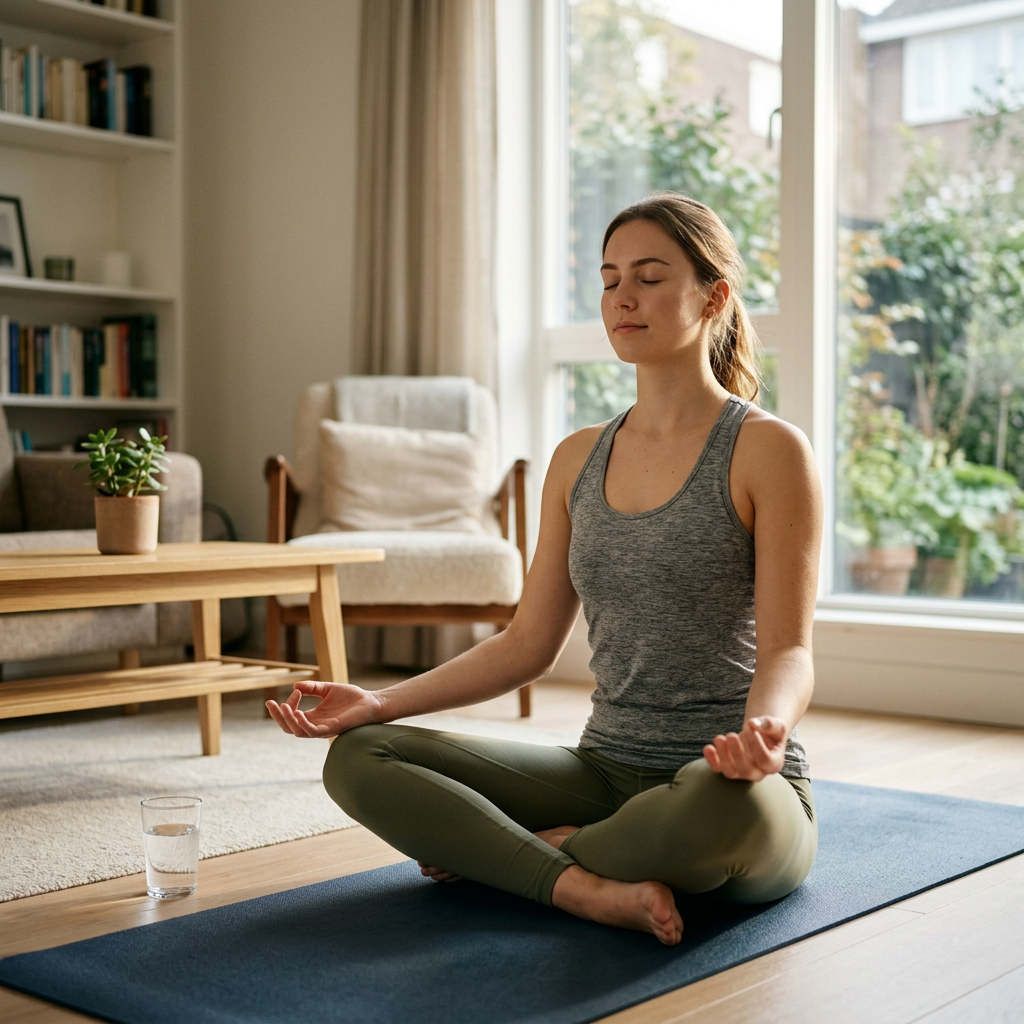
Exercise is one of the most researched, low-cost tools for preventing and reducing stress, anxiety, and depressive symptoms. It supports emotional health through multiple biological and psychological pathways, and it can be scaled to almost any fitness level.
How Exercise Affects the Brain and Body
Reduces stress hormones: Regular movement helps regulate cortisol and adrenaline. Over time, this can reduce the intensity of the body’s stress response and support more stable energy and mood.
Boosts mood chemicals: Physical activity increases endorphins (natural painkillers and mood elevators), as well as serotonin, dopamine, and BDNF, which are key in anxiety relief and depression reduction.
Balances the nervous system: Exercise strengthens the parasympathetic (“rest and digest”) response, counteracting chronic fight-or-flight activation that fuels anxiety.
Improves sleep quality: Movement, especially earlier in the day, helps regulate circadian rhythms, leading to deeper, more restorative sleep and better next-day emotional regulation.
Builds mastery and self-efficacy: Setting small movement goals and achieving them can counter feelings of helplessness and support a more positive self-image.
Types of Exercise for Anxiety and Depression
You do not need extreme workouts to benefit. The best exercise is the one you can do consistently and safely. Helpful options include:
Aerobic activities: Brisk walking, light jogging, cycling, swimming, or dancing can reduce anxiety and depressive symptoms when done regularly.
Strength training: Bodyweight exercises, resistance bands, or weights 2–3 times per week can enhance mood, confidence, and overall stress resilience.
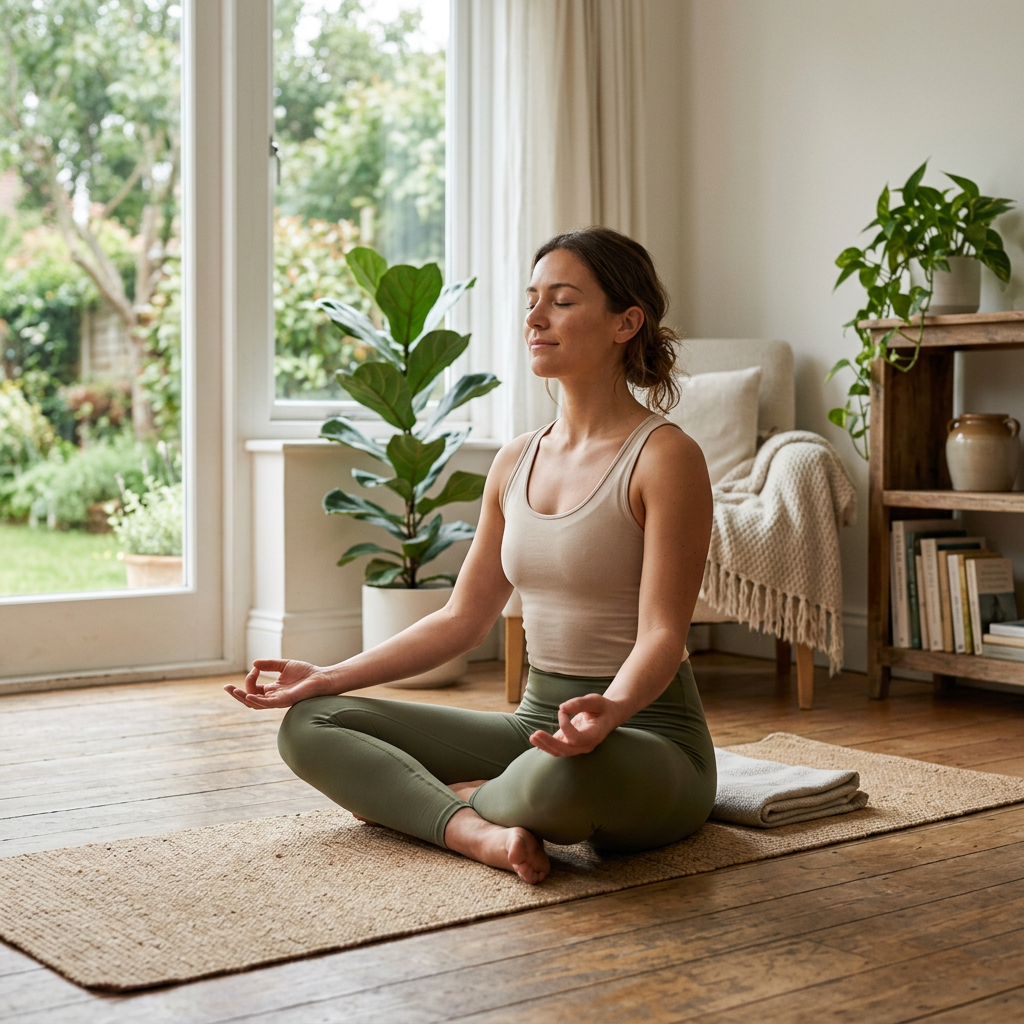
Mind-body exercises: Yoga, tai chi, and Pilates combine movement with mindful breathing, which can calm the nervous system and support mindfulness-based stress reduction.
Low-intensity movement: Gentle stretching, leisurely walking, or movement breaks during the day are valuable, especially when starting from a very low activity level or during recovery from burnout.
How Much Exercise Helps?
Research suggests significant benefits for anxiety and depression from:
- About 150 minutes per week of moderate-intensity aerobic activity (e.g., 30 minutes, 5 days/week), or
- 75 minutes per week of vigorous activity, or
- A mix of both, plus 2–3 days per week of strength training.
However, even 10–15 minutes of walking on most days can improve mood and stress management. For many people, starting with shorter bouts and gradually building up is more realistic and sustainable.
Practical Stress Prevention Tips with Exercise
Start small and specific: Instead of “I’ll exercise more,” try “I’ll walk for 10 minutes after lunch on weekdays.”
Anchor movement to routines: Pair exercise with existing habits (after brushing your teeth, before dinner, or during a scheduled break).
Use movement as a stress reset: When worry or tension spikes, try a 5–10 minute walk, light stretching, or slow breathing with gentle movement to interrupt the stress cycle.
Spend time outdoors when possible: Natural light and green spaces are linked to better emotional health and can amplify the benefits of physical activity.
Monitor intensity: For anxiety relief, moderate intensity—where you can talk but not sing—is often enough and more sustainable than pushing yourself to the limit.
Lifestyle Improvements
Exercise is most effective for anxiety and depression when supported by other healthy lifestyle habits. Building a broader foundation for emotional health helps your brain and body respond better to stress, therapy, and daily challenges.
Sleep Hygiene and Recovery
Poor sleep and mental health problems reinforce each other. To improve sleep quality:
- Maintain a consistent sleep and wake time, even on weekends
- Aim for 7–9 hours of sleep per night, as appropriate for your body
- Limit screens and bright light 30–60 minutes before bed
- Avoid large meals, heavy alcohol use, and intense exercise close to bedtime
- Use relaxing pre-sleep routines, like stretching, reading, or calm breathing exercises
Nutrition and Hydration
While food is not a cure, balanced nutrition supports stable energy and mood:
- Include a source of protein, fiber, and healthy fats in most meals
- Limit highly processed foods and excessive added sugars, which can cause energy crashes
- Stay adequately hydrated; even mild dehydration can affect concentration and mood
- Be cautious with caffeine, especially if you have anxiety or sleep difficulties
Mindfulness and Relaxation Practices
Combining exercise with mindfulness-based practices can enhance anxiety relief and emotional regulation. Helpful options include:
- Mindful walking, paying attention to your breath and surroundings
- Guided meditation or body scans for 5–10 minutes per day
- Deep breathing exercises, such as slow diaphragmatic breathing
- Progressive muscle relaxation to release physical tension
Social Support and Connection
Emotional health improves when you feel connected and supported. Consider:
- Walking with a friend or joining a low-pressure group class
- Participating in online or in-person support communities for anxiety, depression, or burnout recovery
- Setting small shared movement goals with family or colleagues
Social exercise can increase accountability, add enjoyment, and counteract isolation, all of which support better stress management.
Long-Term Consequences
When anxiety and depression remain untreated or poorly managed, they can have significant long-term effects on both physical and emotional health. Understanding these consequences highlights why early support and sustainable habits, like regular exercise, are so important.
Physical Health Impacts
- Increased risk of cardiovascular disease, high blood pressure, and metabolic problems
- Weakened immune function and higher susceptibility to illness
- Chronic pain conditions or worsened perception of pain
- Digestive issues and tension-related headaches or migraines
Chronic elevations in stress hormones and low physical activity both contribute to these risks. Consistent movement can help regulate blood pressure, improve heart health, and support healthier inflammation levels over time.
Cognitive and Emotional Consequences
- Impaired concentration, memory, and decision-making
- Increased risk of recurrent depressive episodes or chronic anxiety disorders
- Higher likelihood of substance misuse as a coping strategy
- Greater vulnerability to burnout and emotional exhaustion
Exercise supports brain plasticity and may help preserve cognitive function, especially when combined with adequate sleep, good nutrition, and psychological treatment where needed.
Social and Occupational Effects
- Strained relationships and social withdrawal
- Reduced productivity, more sick days, and decreased job satisfaction
- Difficulty pursuing education or career goals
Over the long term, integrating exercise for anxiety and depression is less about short-term mood boosts and more about building a lifestyle that protects your emotional health, supports work–life balance, and reduces the risk of relapse.
When to Seek Professional Help
While exercise and lifestyle changes are powerful tools, they are not a replacement for professional mental health care when symptoms are significant or persistent. You should seek help from a mental health professional, primary care provider, or psychiatrist if:
- Symptoms of anxiety or depression last most days for more than two weeks
- You find it difficult to function at work, school, or in relationships
- You rely heavily on alcohol, drugs, or other substances to cope
- You experience panic attacks, severe agitation, or intense restlessness
- You have thoughts of self-harm, suicide, or feel that life is not worth living
Professional treatments, such as cognitive-behavioral therapy (CBT), other evidence-based psychotherapies, and medication when appropriate, can be combined with exercise to create a comprehensive plan. If starting or increasing activity seems overwhelming, a therapist or healthcare provider can help you design a realistic and safe movement plan tailored to your health status and abilities.
If you are in immediate danger or thinking about harming yourself, contact emergency services or a crisis line in your country right away.
FAQ
1. What type of exercise is best for anxiety and depression?
There is no single best type; the most effective exercise is the one you can do regularly. Research supports aerobic activities (like walking, cycling, or swimming), strength training, and mind-body practices such as yoga. Many people benefit from a combination of these, tailored to their preferences, fitness level, and any medical conditions.
2. How long does it take for exercise to help my mood?
Many people notice short-term improvements in stress and anxiety after a single session, sometimes within 20–30 minutes. For more lasting reductions in anxiety and depressive symptoms, research suggests consistent activity over several weeks. Think in terms of building a habit over months, not seeking an immediate cure after one workout.
3. Is exercise alone enough to treat anxiety or depression?
For mild symptoms, lifestyle changes like exercise, sleep improvements, and stress management strategies may be sufficient for some people. For moderate to severe anxiety or depression, exercise is usually most effective when combined with professional treatments such as therapy and, when indicated, medication. It is important not to stop prescribed treatments without consulting your healthcare provider.
4. What if I feel too tired or unmotivated to exercise?
Low energy and motivation are common symptoms of anxiety and depression. Start with very small, manageable steps, like 5 minutes of gentle stretching or walking indoors. Focus on consistency rather than intensity or duration. Some people find it helpful to schedule movement with a friend or tie it to daily routines to reduce the mental effort required to get started.
5. Is it safe to exercise if I have a medical condition?
In many cases, appropriate exercise is beneficial even with chronic conditions, but safety is essential. If you have heart disease, significant joint problems, respiratory illness, or other medical issues, consult your healthcare provider before beginning or changing an exercise program. They can help you determine safe types and levels of activity and may recommend supervised programs if needed.
Conclusion
Exercise for anxiety and depression is not a quick fix, but it is a powerful, evidence-based component of a comprehensive mental health plan. By influencing brain chemistry, reducing cortisol levels, improving sleep quality, and fostering a sense of mastery and control, regular movement can ease symptoms and promote long-term emotional resilience.
You do not need to train like an athlete to experience benefits. Starting with small, realistic steps—such as short daily walks, gentle stretching, or a weekly yoga class—can meaningfully support stress management and emotional health. When combined with supportive relationships, healthy sleep, mindfulness practices, and professional treatment when needed, exercise becomes a sustainable tool for caring for your mind and body over the long term.
This article is for educational purposes only and is not a substitute for professional diagnosis, treatment, or medical advice. Always consult a qualified healthcare provider regarding any questions you have about a mental health condition or before making significant changes to your exercise routine, especially if you have medical concerns.