
Introduction
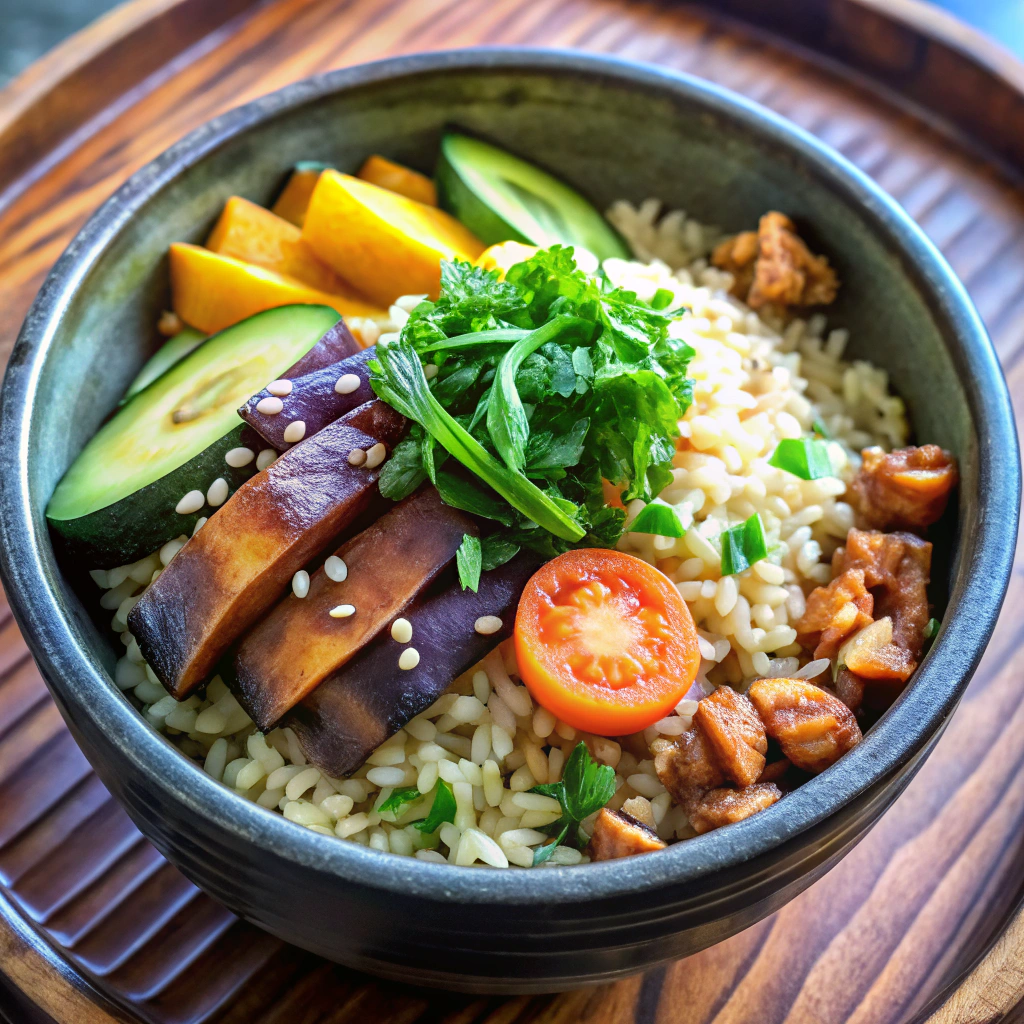
Are you craving a dish that combines vibrant Korean flavors with wholesome ingredients? Brown Rice Eggplant Bibimbap is a culinary adventure that brings together earthy brown rice, succulent eggplant, and a medley of crisp vegetables in one bowl. This recipe transforms everyday ingredients into Healthy Bibimbap Bowls bursting with color and taste, making it a must-try for quick brown rice recipes and nutritious Korean meals.
Ingredients List
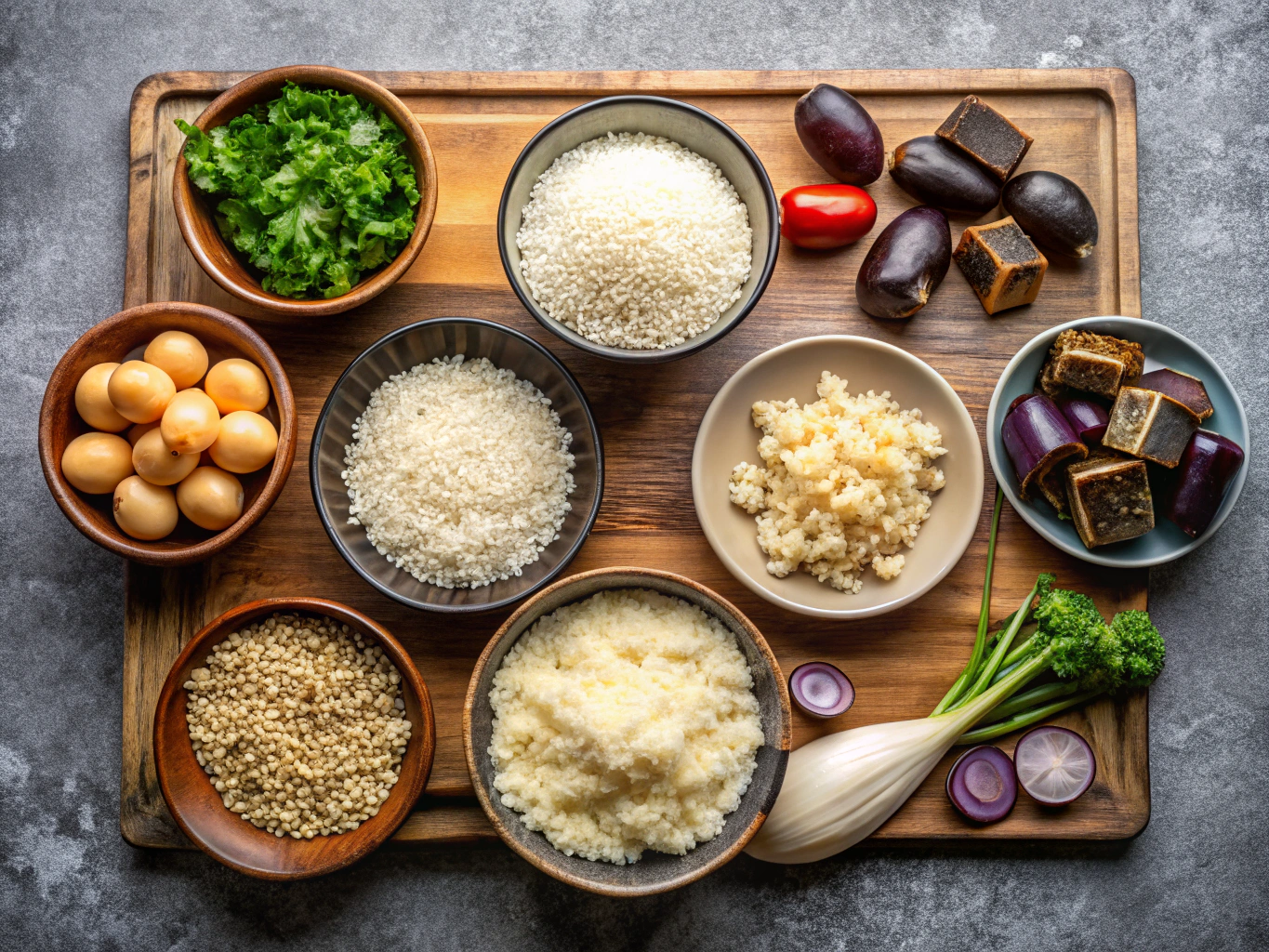
Below is the ingredient list for Brown Rice Eggplant Bibimbap, featuring a mix of textures and aromas that make every bite delightful. Gather golden roasted garlic, freshly cracked black pepper, tender eggplant slices, organic brown rice, crisp spinach, julienned carrots, and zesty kimchi. Optional ingredients include toasted sesame seeds and a drizzle of chili-infused sesame oil for extra warmth and spice.
- Organic brown rice
- Tenderly sliced eggplant
- Crisp spinach leaves
- Julienned carrots
- Zesty kimchi
- Golden roasted garlic
- Freshly cracked black pepper
- Optional: Toasted sesame seeds
- Optional: Chili-infused sesame oil
Timing
Preparation Time: Allow about 20 minutes for washing, chopping, and marinating your ingredients, ensuring each component is primed for flavor.
Cooking Time: The cooking and assembly will take roughly 25 minutes, with active stirring and careful searing for that perfect texture.
Total Time: With a total of 45 minutes, this recipe is both efficient and satisfying, ideal for busy evenings and healthy bibimbap bowls enthusiasts looking for quick brown rice recipes.
How to Make It (Step-by-Step)
Step 1
Begin by rinsing the organic brown rice and cooking it until tender yet chewy, filling your kitchen with a comforting, nutty aroma. As the rice simmers, chop the eggplant into uniform pieces. Drizzle olive oil and season with freshly cracked black pepper. Pro tip: Toast the garlic lightly before adding for a rich, deep flavor. This step sets the stage for a delightful Eggplant Bibimbap recipe.
Step 2
Next, lightly sauté the eggplant slices in a hot pan until they develop a soft, blush-colored exterior. Add a pinch of salt and stir gently to ensure even cooking. The eggplant should release a subtle smoky aroma and retain its tender texture. Pro tip: Avoid overcrowding the pan for a perfectly crisp result, making your healthy bibimbap bowls both flavorful and texturally appealing.
Step 3
Now, quickly blanch the spinach and julienned carrots in boiling water, then shock them in ice water to maintain their vibrant colors and crisp texture. In a separate bowl, gently mix with a dash of sesame oil and a sprinkle of toasted sesame seeds for added nuttiness. This simple yet effective method ensures each green element in your Brown Rice Eggplant Bibimbap is as fresh and bright as possible.
Step 4
Finally, assemble your bowl by layering the cooked brown rice at the base, followed by the sautéed eggplant, blanched vegetables, and a generous serving of zesty kimchi. Drizzle chili-infused sesame oil over the top for an extra kick of spice. Pro tip: Gently toss all components together just before serving to ensure an even distribution of flavors in every bite of this nutritious Korean meal.
7 Recipe Ideas to Try
Recipe 1
Try a version with grilled tofu instead of eggplant for added protein and a unique smoky flavor. Incorporate fresh cilantro and a squeeze of lime to brighten the dish even more. This twist on Brown Rice Eggplant Bibimbap infuses an Asian-inspired zest with quick brown rice recipes, making it an ideal pick for those seeking a fresh, plant-based twist on traditional bibimbap bowls.
Recipe 2
Create a fusion style by adding shredded chicken and broccoli florets. The tender chicken combined with the textured broccoli enhances the dish while maintaining a healthy balance of nutrients. This variation on the Eggplant Bibimbap Recipe transforms it into a comforting meal that still respects the healthy essence of nutritious Korean meals and flavorful vegetable bowls.
Recipe 3
Experiment with a spicy nutty version by incorporating crushed peanuts and a drizzle of Sriracha alongside the chili-infused sesame oil. The crunchy peanuts lend an unexpected texture while enhancing the spice level. This efficient twist on easy bibimbap ideas provides a delightful mix of savory, crunchy, and spicy that appeals to lovers of quick brown rice recipes and healthy bibimbap bowls.
Recipe 4
For a burst of tanginess, mix in a dollop of fermented soybean paste with your kimchi. This blend intensifies the umami flavors and adds a traditional Korean note to your dish. The resulting dish harmonizes well with the delicate eggplant slices and brown rice, making each bite a sophisticated take on nutritious Korean meals and effortless bibimbap recipes.
Recipe 5
Switch up the vegetables by including steamed zucchini and red bell peppers, adding a sweet and slightly crunchy element. The new color combination not only looks appealing but also enriches the flavor profile. This variation is perfect for those in search of a fresh spin on Eggplant Bibimbap Recipe that pairs beautifully with healthy bibimbap bowls and vibrant, quick brown rice recipes.
Recipe 6
Incorporate a handful of microgreens and radish sprouts on top for an extra dose of freshness and a peppery kick. This garnish elevates the dish to a restaurant-quality presentation while keeping it earthy and nutritious. This creative take on Brown Rice Eggplant Bibimbap is ideal for health-conscious individuals looking for easy bibimbap ideas infused with a dynamic, flavorful vegetable twist.
Recipe 7
Finish with a creative interpretation by serving the dish warm with a side of miso soup. Adding a drizzle of honey and a sprinkle of crushed red pepper can offer a sweet and spicy contrast. This inventive variation on the classic recipe combines elements of Brown Rice Bibimbap with innovative approaches to nutritious Korean meals, perfect for those who enjoy experimenting with quick brown rice recipes.
Nutritional Information
- Calories: Approximately 450 calories per serving, depending on portion sizes and added oils.
- Protein: Derived mainly from eggs (if added) or tofu and kimchi, providing lean protein sources.
- Carbohydrates: Featuring starchy brown rice and fiber-rich vegetables for long-lasting energy.
- Fat: Contains healthy fats from sesame oil and optional avocado slices.
- Fiber: Loaded with fiber from eggplant, spinach, carrots, and kimchi to aid digestion.
This nutritional profile underlines why Brown Rice Eggplant Bibimbap is a balanced meal, offering lean proteins, slow-digesting carbohydrates, and heart-healthy fats—all of which are essential for a fulfilling, health-conscious diet centered on nutritious Korean meals.
Why This Recipe Is a Healthy Choice?
Brown Rice Eggplant Bibimbap is a healthy choice because it masterfully combines nutrient-dense ingredients like whole grains, tender vegetables, and flavorful proteins. Each layer is designed to maximize both taste and nutrition, ensuring that every bite supports a balanced diet. This dish is perfect for those following mindful eating trends while exploring quick brown rice recipes and vibrant, flavorful vegetable bowls.
Serving Suggestions
Serve your Brown Rice Eggplant Bibimbap in a wide, shallow bowl to highlight its colorful layers. Garnish with a sprinkle of toasted sesame seeds, fresh microgreens, or a few red chili slices for an extra burst of flavor. Pair this nutritious meal with a light miso soup or a crisp cucumber salad to create an elegant yet casual dining experience that enhances the overall presentation.
Common Mistakes to Avoid
- Overcooking vegetables, which can lead to a mushy texture instead of a crisp bite.
- Under-seasoning the eggplant or skipping the resting/marinating time, resulting in bland flavors.
- Poor layering of ingredients, which can cause the flavors to merge unevenly and reduce the overall balance.
Storing Tips for the Recipe
To preserve the freshness of your Brown Rice Eggplant Bibimbap, store any leftovers in an airtight container in the refrigerator for up to three to four days. For longer storage, freeze the rice and vegetable components separately and thaw before reheating. Reheat gently on the stovetop or microwave to maintain the texture while preventing sogginess, ensuring your nutritious Korean meal stays vibrant.
Conclusion
Brown Rice Eggplant Bibimbap is a creative and flavorful dish that promises both nutritional benefits and an explosion of taste in every bite. Experiment with the recipe to suit your personal palate, and enjoy the fusion of textures and aromas that celebrate healthy eating. We encourage you to share your creations and tweaks with friends and family while embracing this delicious journey into nutritious Korean meals.
FAQs
Can I replace one of the ingredients?
Yes, substitutions are welcome, especially if you have dietary restrictions or simply want to experiment. For example, use quinoa instead of brown rice or swap eggplant for zucchini. These changes still uphold the spirit of a Brown Rice Eggplant Bibimbap recipe while offering flexibility to cater to different tastes and nutritional needs.
How long can I store this?
This dish can be stored in the refrigerator for three to four days, making it a convenient meal prep option. For longer storage, you may freeze the components separately for two to three months. When reheating, gently warm using the stovetop or microwave to preserve the flavors and textures of your Healthy Bibimbap Bowls.
Can I prep it ahead of time?
Absolutely, prep components such as cooking the brown rice, marinating the eggplant, and blanching the vegetables ahead of time. Store each element separately in airtight containers, then assemble your Brown Rice Eggplant Bibimbap just before serving. This approach not only saves time on busy days but also ensures every bite retains its intended flavor and crisp texture.